Barilla Has Bought a Six-Year-Old Mac-and-Cheese Brand That 90 Per Cent of Americans Have Never Tried
The world's largest pasta company is acquiring Goodles, keeping the 73-person team in Santa Cruz and leaving the chief executive in place.
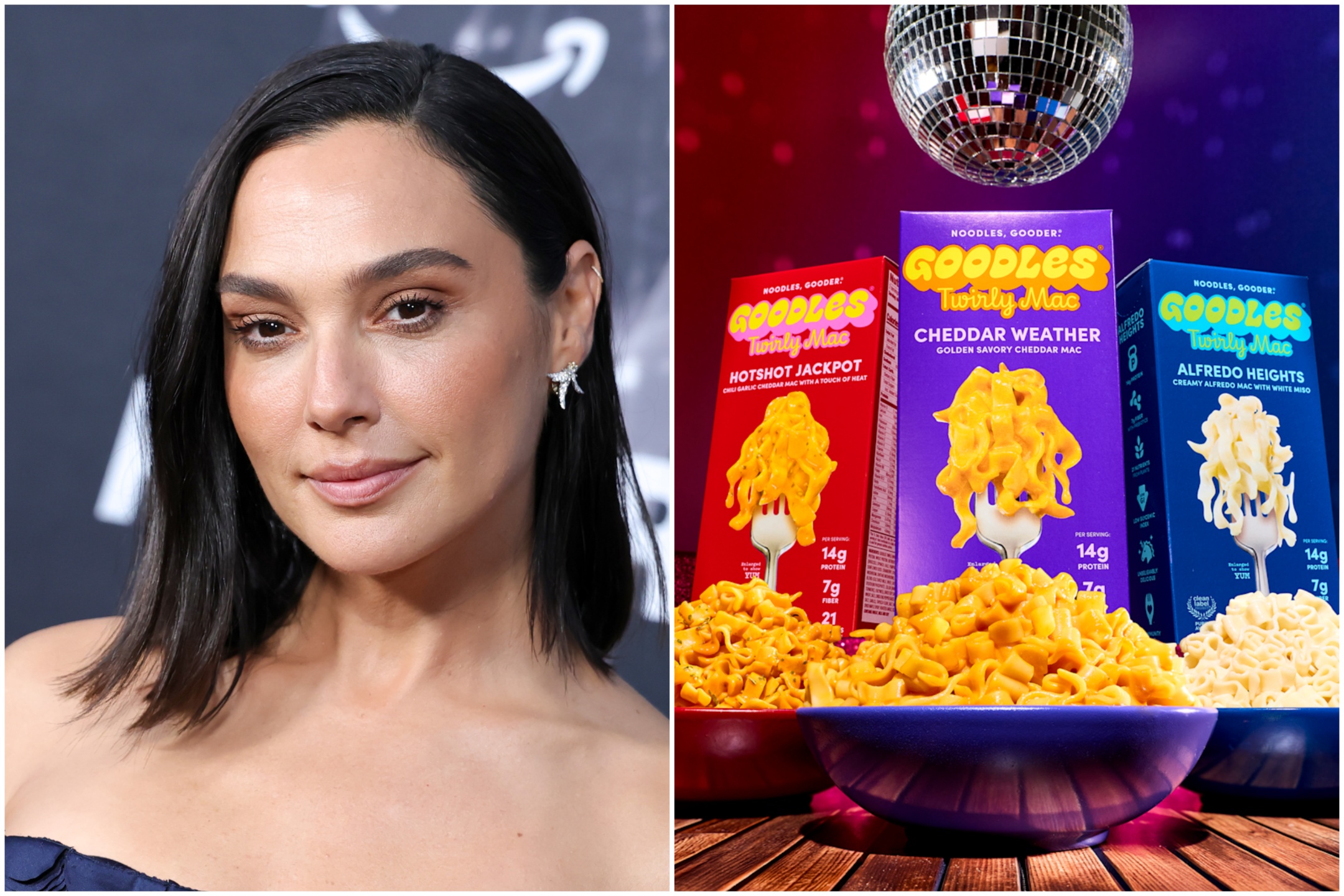
Goodles, the macaroni cheese brand backed by Gal Gadot, has agreed to be acquired by the Barilla Group, the world's largest pasta company.
Financial terms were not disclosed. On completion, pending regulatory approval, Goodles will remain headquartered in Santa Cruz, California, and will continue to operate independently as a stand-alone brand. Co-founder and chief executive Jen Zeszut will keep leading the 73-person team.
What was actually bought
Goodles was founded in October 2020 as Gooder Foods, on the premise that the most reliable comfort food in the American cupboard could be made more nutritious without becoming worthy.
Gadot and her husband Jaron Varsano were founding investors. The company has previously described her as a founding partner, and a representative would confirm only that she is an investor. How she is involved after the acquisition is unclear.
The celebrity association is the most visible thing about the brand and probably the least important part of the deal.
More than 90 per cent of people in the US have never tried Goodles
The number that explains the price
Zeszut's own framing of where the company sits is the most useful figure available.
More than 90 per cent of people in the United States have never tried Goodles.
That is either a damning statistic or the entire investment case, depending on which side of the transaction you are on. For a brand with six years of history and a loyal following, it means the addressable market is almost entirely untouched. For a buyer with global distribution, it means the constraint has never been demand.
"So we've only just begun," Zeszut said. "This brand wants to spread its wings and keep doing our weird and wonderful thing, so that we can have an even bigger impact, eventually on a global scale."
Why Barilla wanted it
Guido Barilla, the group's chairman, described a courtship rather than an opportunistic purchase.
The company had been "following Goodles closely for some time and became increasingly impressed by the strength of the brand, the quality of its products and the momentum behind its growth," he said.
What appears to have settled it was the team rather than the product.
"As we got to know the management team, led by Jen Zeszut, we were equally impressed by the strength of the organization, its unity and its forward-looking mindset," he said. "Together, these qualities convinced us that Goodles was the right choice."
The structure is the interesting part
Large food companies have a poor record with acquisitions of this kind. The standard pattern is to absorb the brand, move production, cut the team and watch the thing that made it worth buying quietly disappear.
The announced terms here point the other way. Same headquarters, same chief executive, same staff, operating as a stand-alone brand.
Zeszut's account of why they chose Barilla suggests that was the negotiation. They picked a partner who could help them innovate and grow internationally "while letting us make gooder decisions and maintain our quality."
Letting us is the operative phrase, and it is the thing that gets conceded first in most integrations.
What it is really a bet on
Strip out the language about shared values and the logic is straightforward.
Barilla has manufacturing scale and international distribution. Goodles has a brand with a genuine following and almost no penetration in its home market, let alone abroad.
The acquisition works if the distribution is applied without the culture being flattened, which is the one thing the structure announced here appears designed to protect. Whether it survives contact with a second and third year of ownership is the question that will actually determine the return.
More from Entrepreneurs

The Fastest Carve-Outs Start the Work Before the Deal Has Actually Closed
Every additional month a business spends under a transitional service agreement erodes value on both sides, and the window to shorten it opens before…
The Fastest Way to Waste a New Board Member Is to Send Them the Documents
Founders keep onboarding directors with a data room and a calendar invitation, and then wonder why the first six months produce nothing but…

Fifty-Seven Per Cent of Consumers Now Trust a Business Less if It Runs on AI Support
The figure has risen four points in a year, and the sharpest objection is not to automation itself but to companies disguising it as a person.