The Cost of Software Is No Longer the Licence, It Is the Number of Places People Have to Look
Every switch between an app, a device and a workflow asks a person to reorient, repeat themselves or make another small decision, and the bill for that arrives as fatigue.

Moving between applications has become a routine part of working, and each transition carries a charge. The user has to re-establish where they are, often repeat something they have already done, and make one more small decision. Individually these are trivial. Accumulated across a day, they produce a measurable cognitive load that turns into frustration and then into disengagement.
As software estates get more complicated, reducing that friction has stopped being a convenience question. It affects focus, productivity and whether somebody keeps using a product at all. A group of technology executives, asked which design choices actually reduce it, produced answers that converge on one idea: stop moving the user.
Design for intent, not for architecture
"Design around the user's intent, not the technology," says Jayasri Ranganathan of Trinity Solar. People should not need to know which application, system or workflow comes next. The right move is to surface the next logical action at the point of need. The target is cognitive load rather than clicks, which are only a proxy for it.
Will Conaway of Tuxedo Cat Consulting makes the case from healthcare, where the stakes make it legible. Every extra step adds load for clinicians, staff or patients. A well-designed workflow surfaces the right information at the right moment, preserves context across screens and makes the next action obvious. Less friction, he argues, supports safer decisions as well as better focus.
Kevin Greenway of 10ZiG Technology raises the point most rollouts ignore: the productivity cost of changing how people already work. Even a better process creates friction when users have to relearn a familiar task. Technology should adapt to the user rather than continually asking the user to adapt to it. His measure of success is unusually modest and probably correct. The best improvements are the ones users barely notice, other than finding the work easier and faster.
Don't make users come to your product when your product can come to them
Go to where people already are
The most concrete advice is also the most demanding for a software company, because it means giving up the idea that your product is a destination.
"Meet users where they already are," says Pavlo Razumovskyi of Coframe. If they live in Slack, build a Slack bot. If they live in email, send an email digest. If they work in an AI assistant, build an MCP server. If they run their day from a calendar, integrate with the calendar. Every context switch creates friction, and there is no reason the switch should be the customer's problem.
Karthik Sj of LogicMonitor frames the same principle as a question of answers rather than interfaces. Reduce how many places somebody has to go to get an answer. If a person can ask a question inside the workflow they are already in and get the context they need, there is no reason to send them hunting across dashboards, tabs and tools. He notes that AI has made that kind of intent-driven interface practical in a way it was not before.
Make the seams invisible
Bindu Madhavi Mangalampalli of Cotiviti argues for transitions that cannot be felt. Someone should be able to move from phone to laptop, from app to browser, from one workflow to the next without losing progress, preferences or context. When the software remembers where a person left off and strips out the repeated steps, the experience stops feeling like tool management and starts feeling like one continuous task.
Neda Nia of Stibo Systems suggests this is becoming a category. We may be entering the era of the harness, she says: a single place where applications and workflows expose their logic, context and actions through standards such as MCP. Rather than pushing users between applications, the applications are brought to the user. The most direct way to reduce digital fatigue may simply be to reduce how many interfaces anyone has to navigate at all.
The unglamorous version works too
Not every answer requires a new architecture, and the most deployable suggestion came from Nino Letteriello of FIT Group.
People need simple navigation between systems, he says, and the temptation is to overthink the technical side rather than the ergonomics. A dedicated intranet page that links to the various systems, which staff can bookmark, is a plain idea with a disproportionate effect.
That is worth sitting with. Most of the friction being described here is not a hard engineering problem. It is the absence of anyone whose job was to count how many places a person has to look before they can start working.
More from Tech
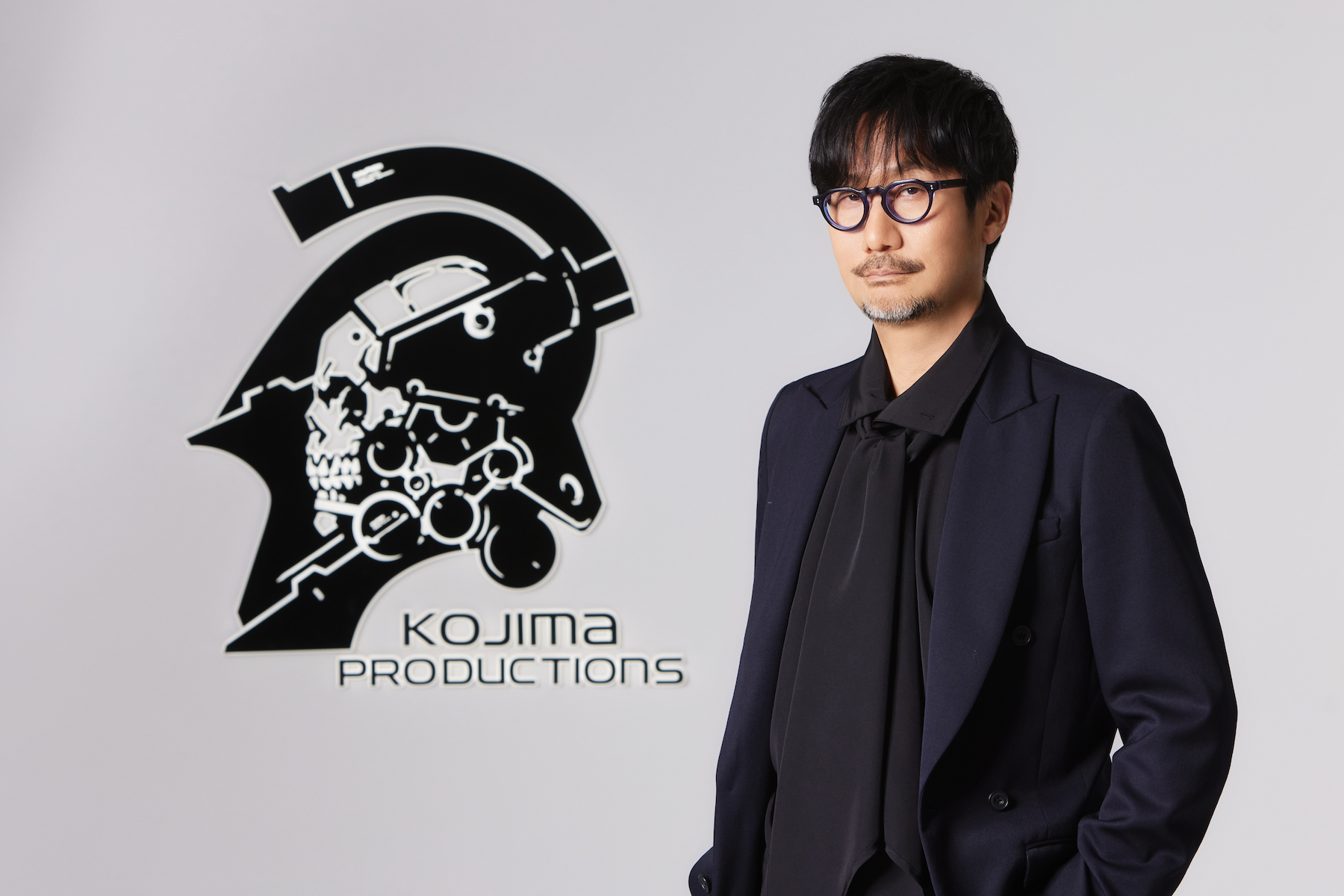
PlayStation Cancelled Kojima's Next Game in June and Xbox Has Picked It Up
Physint moves to Microsoft after three decades of work between Hideo Kojima and Sony, and the new deal extends into film and television.

The Hard Part Is No Longer Buying the Software, It Is Getting Anyone to Use It
The forward deployed engineer sits inside the customer's workflow rather than behind a specification document, and the role has moved from Palantir…

Fewer Than One in Ten Enterprise Applications Is Fully Observable, and Agents Are Now Writing the Code
Missing visibility used to slow human teams down, but agents now deploy at machine speed into estates that nobody can fully see, which turns a cost…