In African Property the Country Is the Wrong Unit of Analysis
Demand drivers, infrastructure and local dynamics shift street by street, so a project in the right city can still fail on the wrong side of it.
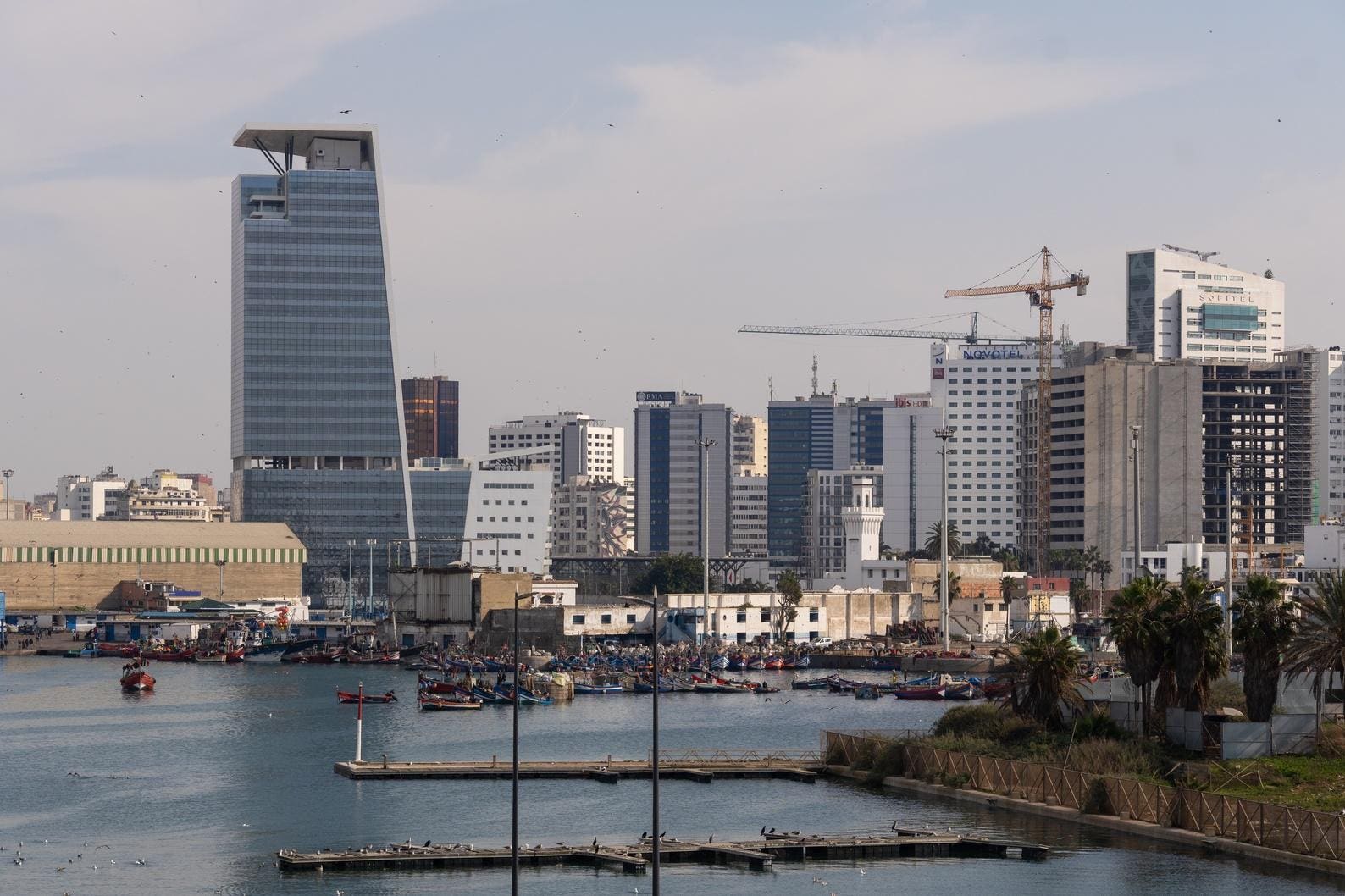
Africa is in a period of intense urban development. Cities are expanding, populations are growing, and developers from outside the continent can see the opportunity clearly enough.
Robin Sanchez, who owns the real estate firm EMPERIA and works across Europe and Africa, has a warning about how that opportunity is usually assessed. Success is far from guaranteed, and the reason is not the risks people expect.
The market is micro, not national
The most common analytical error is choosing at the level of country or city.
"The market here is highly micro-oriented," Sanchez says. Location, demand drivers, infrastructure and local dynamics vary significantly even within a single city.
Which produces an outcome that surprises outside investors. A project that is excellent on paper, situated in a major economic hub, can still struggle. A strong investment is not about picking a growing country or a famous city. It is about knowing where demand is emerging, where infrastructure is actually being built, and where value creation is likely to occur.
That is a research problem, and it is not solvable from a distance.
When the cost of capital is high, a delay does not reduce returns, it removes them
Financing changes the whole structure
The second constraint is capital, and it reshapes how a project has to be built rather than simply making it more expensive.
Financial systems in many African countries are less developed, and long-term capital is scarce. Local banks often have limited capacity to provide the long-dated financing large developments require, and lenders price loans higher to compensate for risk.
The consequence runs through everything. When the cost of capital is high, a delay, a cost overrun, or a slower-than-expected sales rate does not trim returns. It can remove them entirely.
So developers have to be far more deliberate about the financing structure, the development timeline and the exit than they would be in a mature market, and those three have to be designed together rather than sequentially.
For an investor assessing an opportunity, Sanchez argues, understanding how a project will be financed is as fundamental as understanding whether anyone wants it. Building and waiting for demand to arrive is not a strategy available at these rates.
Where the demand is going
Building without a clear differentiation is risky anywhere, and more so here. Sanchez's argument is that the returns sit in anticipating demand rather than following it.
Current growth, according to a Knight Frank report, is concentrated in Grade A office supply and in mixed-use and community living developments. Those are the visible segments, which also means they are the competitive ones.
The more interesting positions are further out. E-commerce across the continent remains underdeveloped relative to mature markets, and is growing. Demand for modern storage and distribution facilities is rising with it, and Sanchez expects that to continue for decades. Logistics and industrial infrastructure is where the gap between current supply and plausible future demand is widest.
Healthcare real estate is the other. Demand for quality healthcare keeps climbing, and clinics, hospitals and specialised medical facilities are becoming a standard component of a modern city rather than an afterthought.
What the two constraints imply together
Taken separately, each of these is manageable. Taken together they define the discipline.
Expensive capital punishes anyone who is wrong about timing. A micro-level market punishes anyone who is wrong about location. An investor who gets the district right but the financing structure wrong loses the returns to interest, and one who gets the financing right but the district wrong has built something nobody needs where it stands.
Which is why Sanchez's framing is about positioning assets ahead of market needs rather than responding to them. In a market where being late is this costly, the only affordable way to arrive is early.
More from Entrepreneurs

The Fastest Carve-Outs Start the Work Before the Deal Has Actually Closed
Every additional month a business spends under a transitional service agreement erodes value on both sides, and the window to shorten it opens before…

Barilla Has Bought a Six-Year-Old Mac-and-Cheese Brand That 90 Per Cent of Americans Have Never Tried
The world's largest pasta company is acquiring Goodles, keeping the 73-person team in Santa Cruz and leaving the chief executive in place.

The Fastest Way to Waste a New Board Member Is to Send Them the Documents
Founders keep onboarding directors with a data room and a calendar invitation, and then wonder why the first six months produce nothing but…