His Parents Gave Him Gatorade for the Flu. His Blood Sugar Was Over 1,000
Three health leaders argued that chronic care keeps solving the clinical problem while leaving the emotional and practical work to patients and their families.
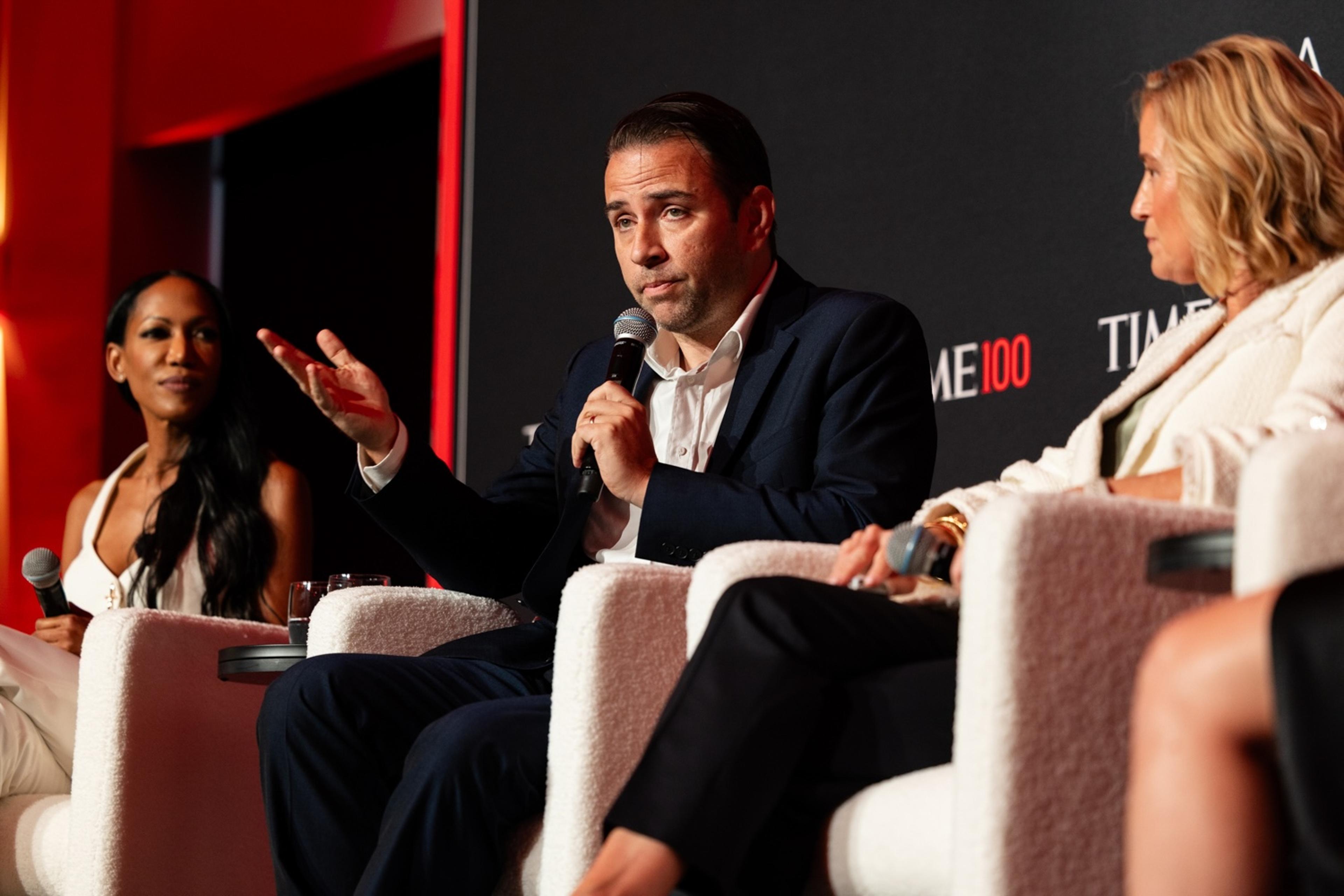
When Garrett Vogel was 11, his parents thought he had flu. They gave him Gatorade, a lot of it, not realising he was showing symptoms of Type 1 diabetes. By the time he reached hospital his blood sugar was well over 1,000.
"The doctor looked at me like, how are you still walking," Vogel said at the TIME100 Health Leadership Forum in New York on Thursday.
Vogel is an on-air host for a morning radio show and an advocate on Type 1 diabetes. He was speaking alongside the psychiatrist and researcher Dr Judith Joseph and Ashley McEvoy, president and chief executive of Insulet, about how chronic care could better fit into the lives of the people living with it.
The part nobody was responsible for
Vogel's account of what followed the diagnosis is the clearest illustration of the gap.
As a child he did not immediately grasp that this was not going to be gone the next day. His endocrinologist supplied the medical facts, competently. Everything else, the emotional heavy lifting as he puts it, was left to his parents.
More than three decades on, he says he is still learning to live with it. Technology has made the management easier. So has something less technical: becoming comfortable asking questions, and talking to other people who understand the daily work.
The single most useful lesson, he said, has been not being scared to ask questions. Even a stranger with Type 1 or Type 2 turns out to share enough of the same routine to be worth talking to.
There's not as much empathy in Type 2
The empathy gap between the two types
McEvoy raised something that is rarely said plainly from a stage.
Type 2 diabetes is a chronic, progressive disease. Because of persistent misconceptions about it, people who have it are not always met with the same compassion as those with Type 1.
"There's not as much empathy in Type 2," she said.
That has consequences beyond how patients feel. A condition that carries an implication of personal fault is one people delay seeking help for, and one clinicians can treat as a behavioural problem rather than a progressive disease.
Designing for the day, not the chart
McEvoy's argument about product development follows from the same place. Insulet makes the Omnipod, a wearable tubeless insulin pump, and she says building better technology requires understanding the specifics of a patient's day rather than examining their clinical data.
The company is working on technology for people with Type 2 that would reduce the number of decisions required. She described an automated system in which patients would not have to administer mealtime doses, adjust dosage manually, or enter settings.
The strategic consequence of that is worth noting. If the technology requires fewer decisions, primary care doctors rather than endocrinologists can recommend it and supervise the people using it, which widens access considerably in a system where specialist appointments are the bottleneck.
What stress does to healing
Joseph's contribution was about what the clinical setting itself does to a patient.
Medical environments can feel sterile and frightening, she said, and leave people with the sense that their doctors do not really see them. That matters physiologically rather than only emotionally.
"The body is under a lot of stress, especially mental stress," she said. "It's hard to heal."
Attending to the connection between mind and body, she argued, improves outcomes.
Taken together, the three arguments point the same way. The clinical problem in chronic disease is largely being solved. What remains unaddressed is everything around it: the fear after a diagnosis, the judgment attached to one condition and not another, and the number of decisions a person has to make every day for the rest of their life.
More from Leadership
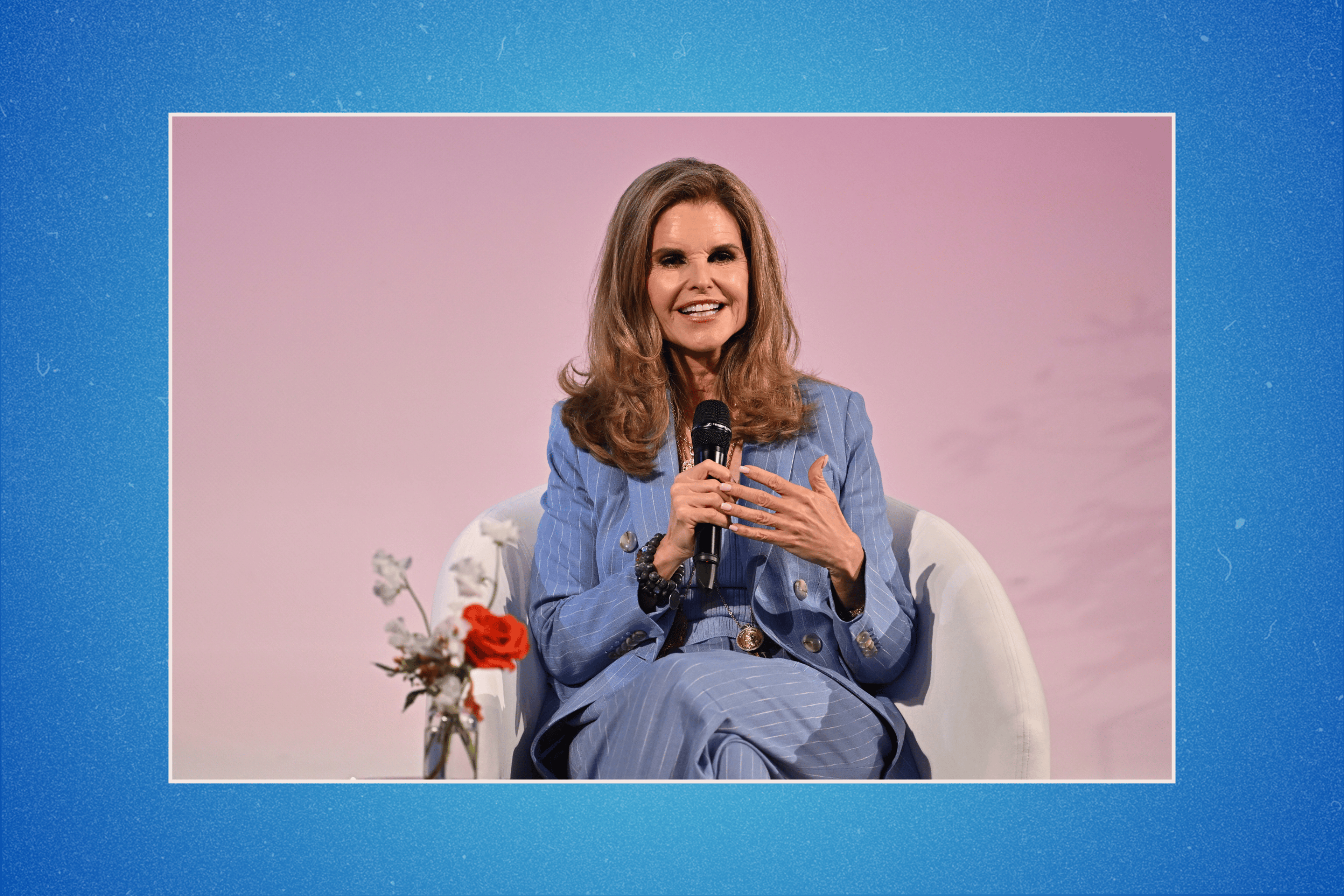
Only One in Five Women Knows She Is More Likely to Develop Alzheimer's Than a Man
Women account for roughly two thirds of diagnoses, and Maria Shriver wants the conversation about brain health to start decades before anybody…
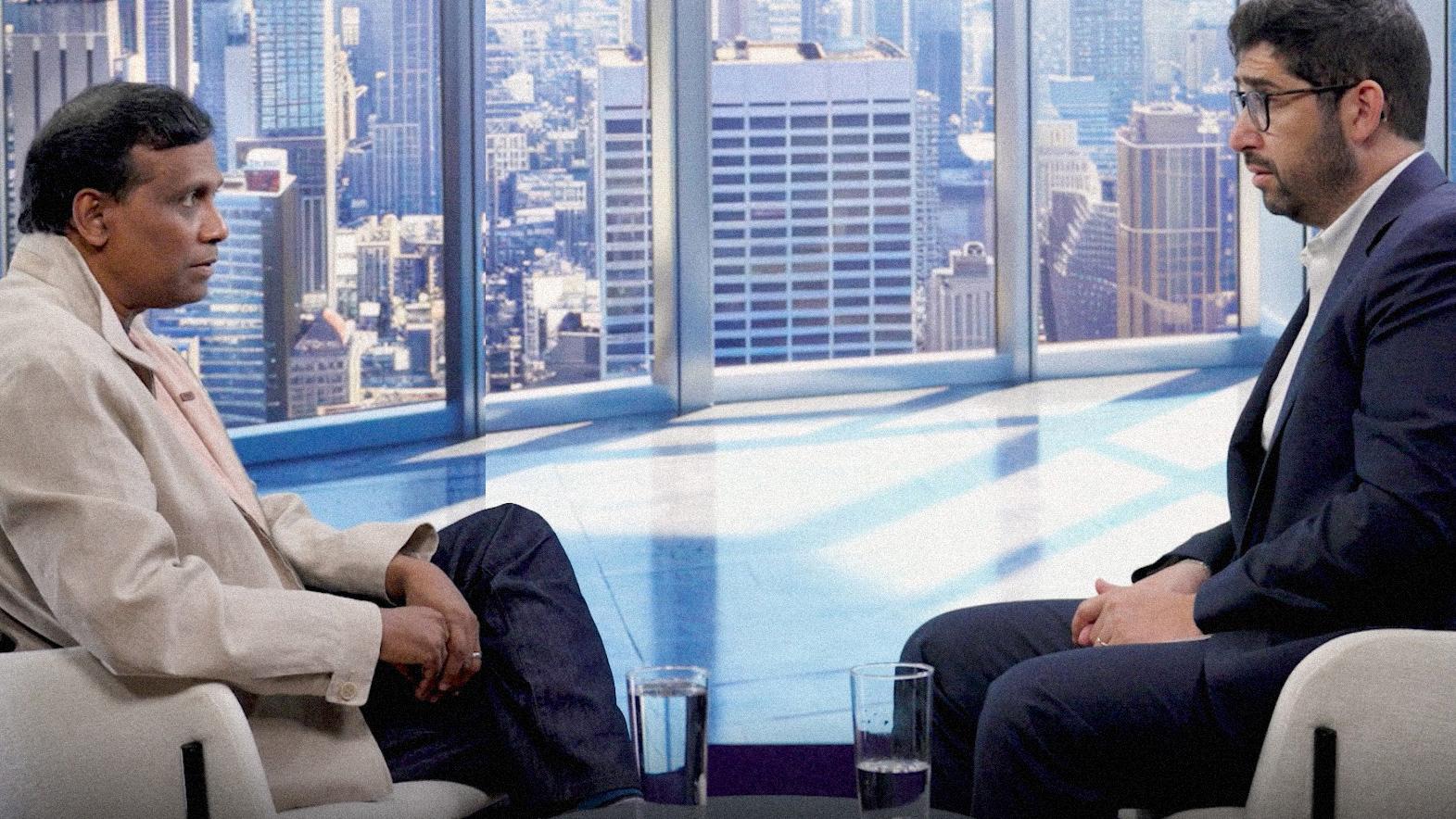
The Chief Executive of a 350,000-Person Company Wants Digital Labour Taxed Like Human Labour
Ravi Kumar S runs Cognizant and argues that if a technology is deployed to eliminate work rather than amplify it, it should carry the same overhead a…

Fandom's New Chief Executive Has 300 Million Monthly Visitors Who Do Not Know Where They Are
Jay Sullivan took over a platform most of its own audience cannot name, and his fix is to build a simpler entrance without touching what is behind it.