Only One in Five Women Knows She Is More Likely to Develop Alzheimer's Than a Man
Women account for roughly two thirds of diagnoses, and Maria Shriver wants the conversation about brain health to start decades before anybody notices a symptom.
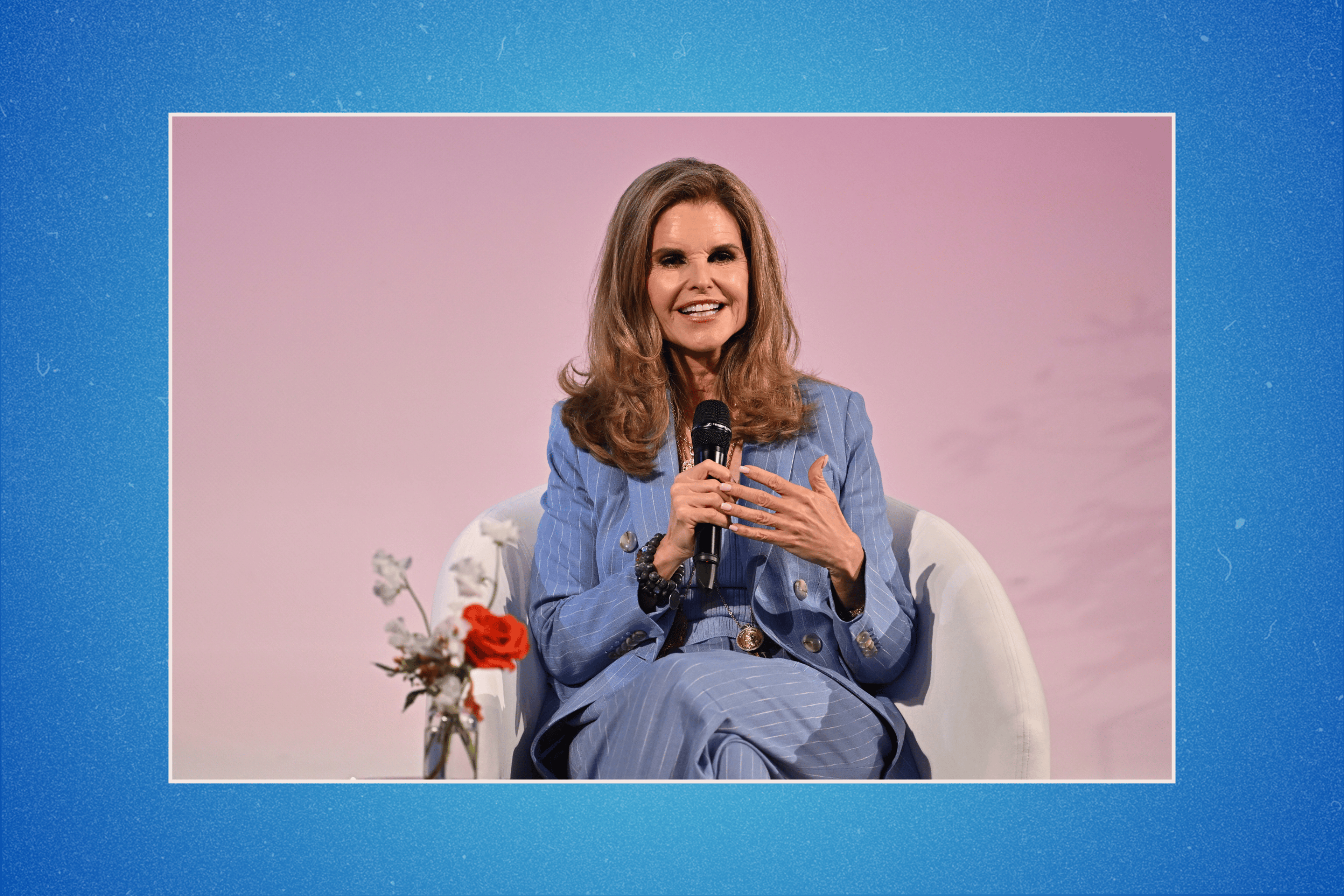
Only one in five women knows that she is more likely than a man to develop Alzheimer's disease, according to a recent survey. Women account for about two thirds of diagnoses.
Maria Shriver would like that first number to rise, and she wants women thinking about their brains long before there is anything to notice.
"When people talk about living longer, you're seeing a lot about people in the gym," she said at the TIME100 Health Leadership Forum in New York on Thursday. "But what about their brains?"
Shriver founded the Women's Alzheimer's Movement and co-founded the Comprehensive Women's Health and Research Center at Cleveland Clinic.
Where it started
Her involvement began when her father was diagnosed in 2003, at a point when there was very little available to help a family understand what was happening or prepare for how their lives were about to change.
She approached it as both a journalist and a daughter, and her account of the difference between how the family handled it is the part worth keeping.
Her children adjusted with relative ease, accepting the grandfather in front of them as he was. She found it considerably harder, because the man she was looking at did not match the father she remembered. Her mother was losing something else again: a spouse, a confidant, a partner.
Those are three different losses inside one diagnosis, and only one of them is the patient's.
When people talk about living longer, you're seeing a lot about people in the gym. But what about their brains?
What has changed in twenty years
Scientists now know a great deal more about detecting the disease early and about what may reduce risk. The disparity in who gets it has not moved.
One active area of research concerns how the brain changes during menopause, and whether intervening in that window could lower Alzheimer's risk. Whether hormone therapy helps is still unresolved.
Shriver is careful not to let the subject narrow to that. "There's more to women's health than menopause," she said. Brain health, including mental health, matters at every stage of a woman's life.
The case she points to
Her example of progress is an unexpected one: the recent trial of Lindsay Clancy.
Clancy, a mother in Massachusetts, was tried on charges of killing her three young children in 2023. Her attorneys argued she was not criminally responsible because she was experiencing postpartum psychosis, a rare psychiatric emergency distinct from postpartum depression. Prosecutors maintained that she understood her actions were wrong.
Shriver's point is not about the verdict. It is that the case was discussed in those terms at all.
"The fact that we're talking about postpartum depression, the fact that we're talking about maternal health," she said, represents a huge advancement in her lifetime.
The advice, and the honesty about it
Her practical guidance is deliberately unremarkable. Exercise, sleep, a decent diet, real social connection and staying mentally engaged all move the needle. Nobody has to overhaul their life. Shriver herself meditates twice a day.
She is also candid that this is easier said than done, and she does not pretend otherwise.
Any of it may sound unrealistic to a woman managing a demanding job, small children, or ageing parents, and she includes her past self in that. When her four children were young, she says, she would have snapped at any well-meaning suggestion that she meditate.
That admission is what makes the rest usable. The advice is not being handed down by somebody who found it easy.
On the wider question she is optimistic, and specific about why. The growing attention to women's health and the research underway are, in her reading, evidence of change happening in real time.
"I'm fully convinced they'll find a cure for Alzheimer's," she said.
More from Leadership
The Chief Executive of a 350,000-Person Company Wants Digital Labour Taxed Like Human Labour
Ravi Kumar S runs Cognizant and argues that if a technology is deployed to eliminate work rather than amplify it, it should carry the same overhead a…

Fandom's New Chief Executive Has 300 Million Monthly Visitors Who Do Not Know Where They Are
Jay Sullivan took over a platform most of its own audience cannot name, and his fix is to build a simpler entrance without touching what is behind it.

Every Other Large Spend Needs a Business Case. Pay Decisions Are Made on a Deadline
Compensation is one of the biggest lines in most operating budgets, and a single unmanaged decision costs between 5,257 and a great deal more.