The Donor Shortage Was Solved and the Referral Problem Replaced It
Cell therapy leaders say thousands of patients who now have a matching donor are still not reaching a transplant centre in time, because the system was designed around the treatment rather than the person.
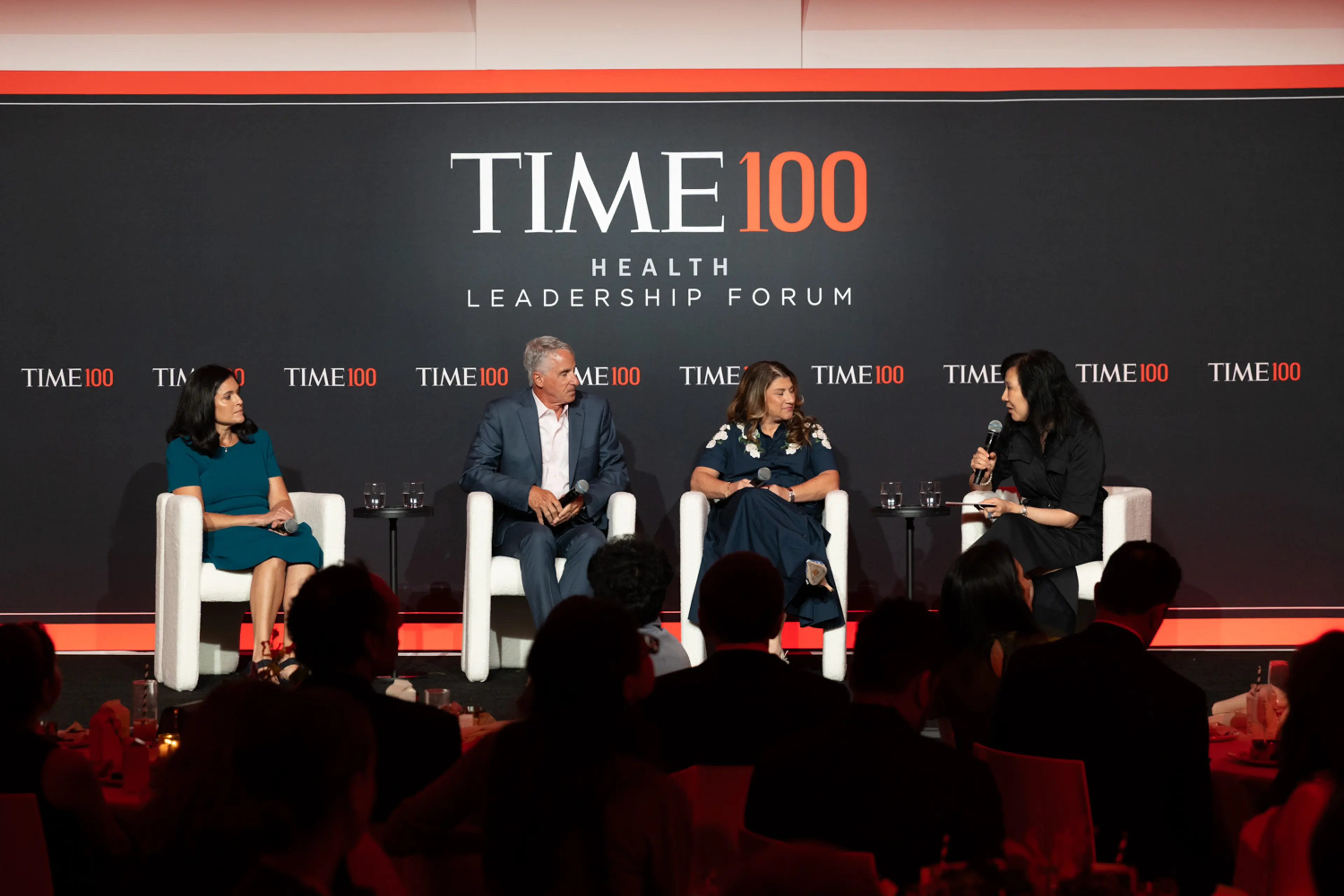
A breakthrough therapy only saves lives if the people who need it can reach it. That was the through-line of the third annual TIME100 Health Leadership Forum, held in New York on September 10, where the discussion was less about what cell therapy can now do than about why so many patients never get to it.
The most striking point is that solving one barrier simply exposed the next.
The bottleneck moved
"If we go back six years, the biggest barrier was the fact that there were not donors to match," says Amy Ronneberg. That problem has substantially receded.
What replaced it is referral. Thousands of patients are not being referred to transplant centres in a timely way, which means the matching donor now exists for a patient who never arrives.
Dr Eneida R. Nemecek, director of paediatric cell therapy and transplant and cancer clinical research at Oregon Health and Science University, identifies geography as a major part of it, and treats that as a symptom rather than the disease. When healthcare systems are designed, she argues, the design forgets the patient's actual circumstances.
People would accept suboptimal therapy and give up the potential for curative therapy because they can't do that
Why the newest therapies scale worst
Dr David L. Porter, director of the Center for Cell Therapy and Transplant at Penn Medicine, points to something structural in how advanced treatments come into being.
Bone marrow transplants and cellular immunotherapies such as CAR-T were developed and tested in highly specialised settings. That specialisation is what made them work. It is also what creates natural bottlenecks when the time comes to scale them up and distribute them widely.
The human cost of that sits in the logistics. Collection and treatment displace a patient's life and their caregiver's, and the full process of testing and treatment can run for weeks.
Porter's account of the consequence is the hardest line of the discussion. Those conversations happen all the time, he says: people accept a suboptimal therapy and give up the possibility of a curative one, because they cannot manage the displacement.
That is not a clinical decision. It is a scheduling and money decision, made by patients who have been told a cure exists.
Even the well-resourced struggle
Ronneberg speaks about this from both sides. As a cancer survivor, she recalls finding the process hard to navigate even with every advantage available: a husband who is a doctor, resources, and information within reach.
If that is the experience at the top of the distribution, the experience further down is not difficult to infer.
Her prescription is unglamorous and specific. Get education and awareness out into the community, and provide patients with funds to travel. As science moves faster and outcomes improve, she argues, the gap between what is possible and what people know is possible keeps widening.
Moving the capability outward
The response Nemecek describes is to stop requiring patients to travel to the specialism.
She and colleagues have been working on the ACCESS Initiative, in partnership with NMDP, to train community centres and equip them with the accreditation needed to collect cells locally. Combined with telehealth and other technology, she says, that is where the future of the field lies.
It is a modest-sounding shift with large implications. If cells can be collected at a community centre rather than a specialist hospital several states away, the weeks of displacement that currently push patients towards inferior treatment become days.
The therapies are not the constraint any more. The map is.
More from Leadership

Only One in Five Women Knows She Is More Likely to Develop Alzheimer's Than a Man
Women account for roughly two thirds of diagnoses, and Maria Shriver wants the conversation about brain health to start decades before anybody…
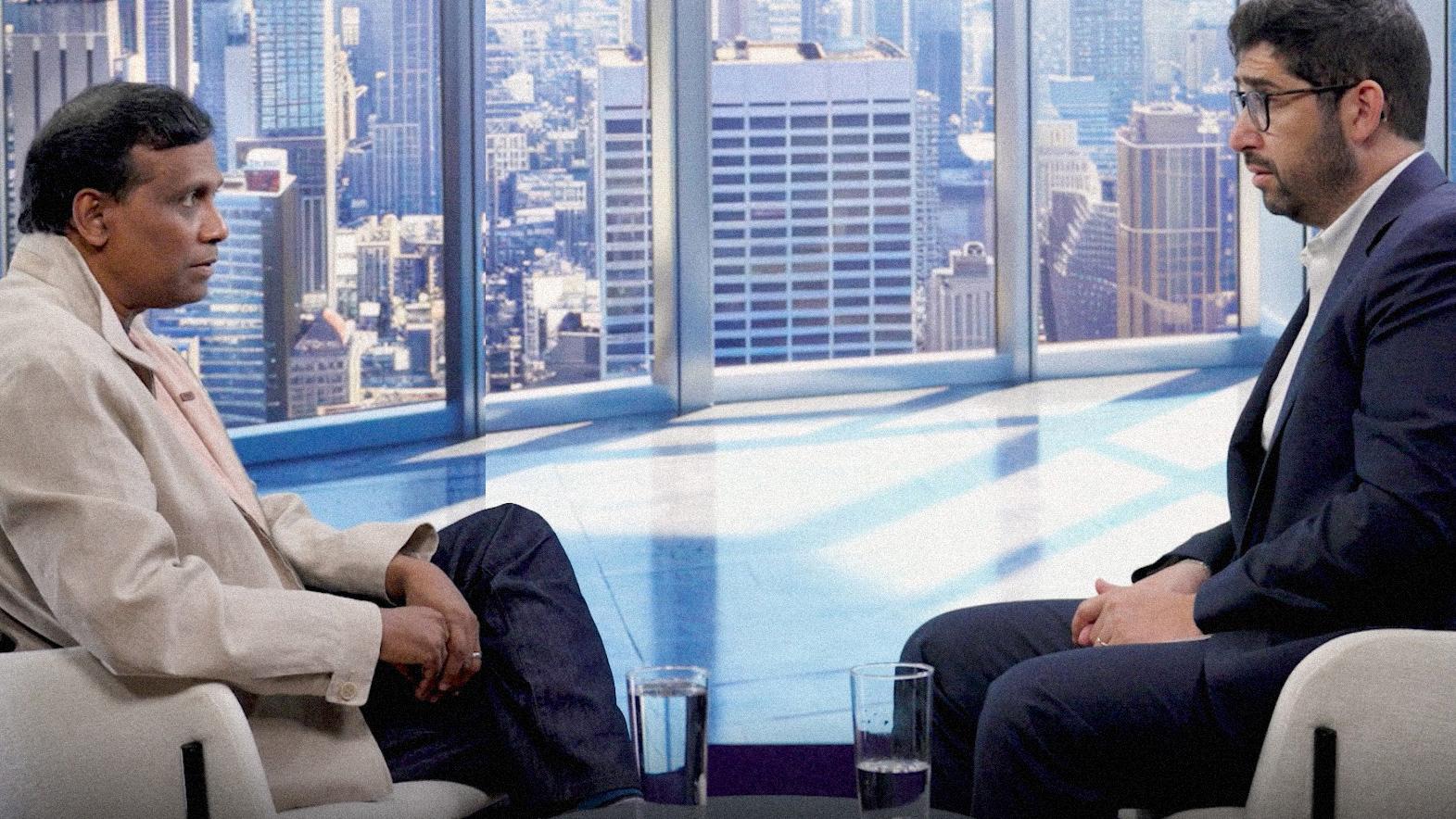
The Chief Executive of a 350,000-Person Company Wants Digital Labour Taxed Like Human Labour
Ravi Kumar S runs Cognizant and argues that if a technology is deployed to eliminate work rather than amplify it, it should carry the same overhead a…
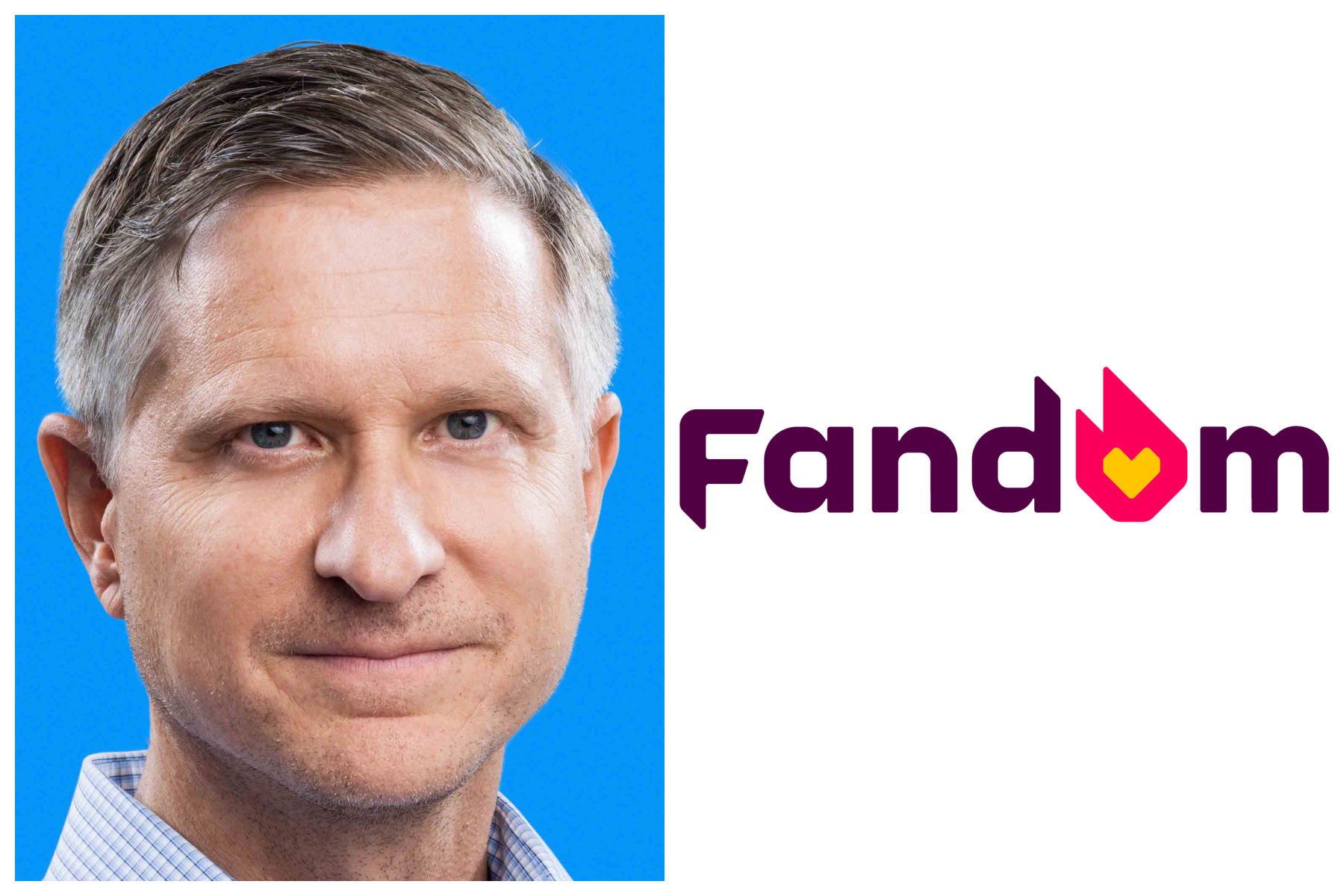
Fandom's New Chief Executive Has 300 Million Monthly Visitors Who Do Not Know Where They Are
Jay Sullivan took over a platform most of its own audience cannot name, and his fix is to build a simpler entrance without touching what is behind it.