The SEC says Tricolor pledged the same car loans twice, and an analyst caught what the audits missed
Court filings in the collapse of Tricolor Holdings describe a funding machine in which the same subprime auto loans were pledged to more than one lender at a time, leaving $945,396,000 of note principal outstanding when the company failed in September 2025.
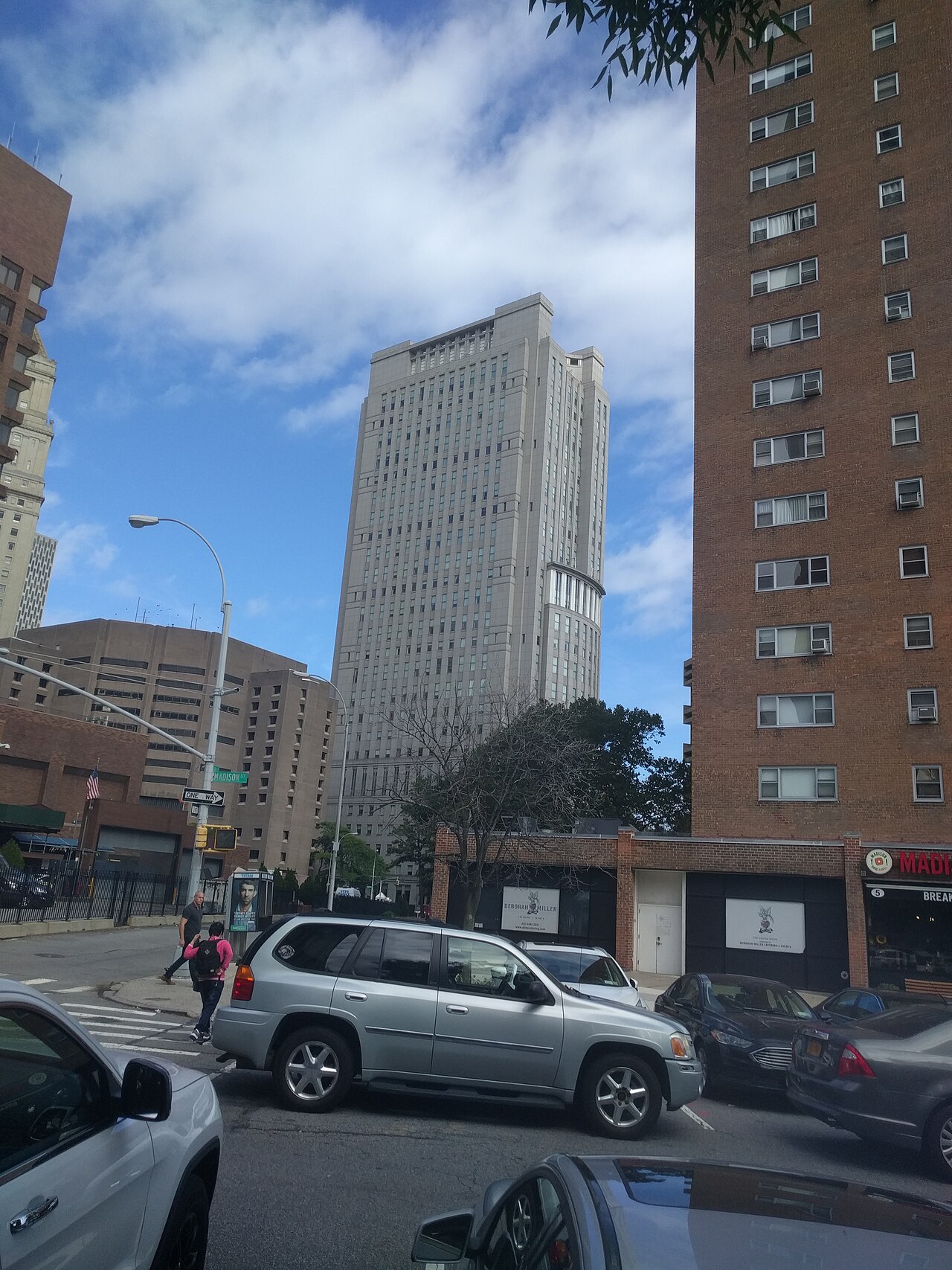
Tricolor Holdings sold used cars in Texas and lent the buyers the money, mostly people with little or no credit history. It funded that lending two ways: bonds sold to investors, and bank borrowing against loans in the months before each deal closed. Between 2013 and 2025 it raised more than $1.9 billion through 14 asset-backed offerings, according to the complaint the Securities and Exchange Commission filed on 18 August 2026 in the Southern District of New York.
On 10 September 2025 Tricolor filed a Chapter 7 bankruptcy petition in the Northern District of Texas, four days after placing more than 1,000 employees on unpaid leave. Seven of its bond deals were still at least partly outstanding.
How the machine worked, and how it was gamed
What the government alleges is a fraud on the mechanics, so the mechanics matter. Under the cycle set out in the complaint, Tricolor pledged newly written loans to a warehouse facility and drew cash against them. Months later those loans moved into a securitization pool, investors paid in, Tricolor repaid part of the warehouse draw and wrote more loans. Advance rates were generally only 70% to 80% of the collateral pledged, so to raise a dollar the company had to put up more than a dollar of loans.
Offering documents required every loan in a pool to be unencumbered, not more than 30 days delinquent, not defaulted, and current on its first payment. The warehouse agreements banned pledging the same collateral twice and required first-priority security interests. Founder and chief executive Daniel Chu signed the offering documents; he and chief financial officer Jerome Kollar certified the monthly servicing reports as accurate.
The SEC alleges that from at least 2020 the same loans were pledged to two or more pools or facilities, and that already-securitized loans were pledged back to warehouse lines, often almost immediately after a deal closed. Each double pledge left Tricolor owing principal and interest twice on a loan from which it collected, at most, one borrower payment. Pools were also filled with loans long past due and loans that should have been charged off, which executives called dead loans.
Keeping the dead loans alive
To make them read as current, the complaint says, delinquency fields were altered, vehicle identification numbers were falsified to invent loans, and payment terms were adjusted in spreadsheets, data tapes and borrowing base reports. In or around 2019 Chu had Kollar set up an off-the-books entity, known internally as Company 23, to hold dead loans and apply fake payments. Kollar sent auditors PDF files, or had senior director of finance Ameryn Seibold do it, so the detail could not be inspected.
"I've been holding 8,000 outstanding charge offs on every report for…a long time."
— Seibold, on a recorded call of 18 August 2025, quoted in the SEC complaint
In November 2022 Kollar texted Chu that manipulating delinquency data had produced an extra $1.3 million in advanced funds. In July 2024, with certain warehouse agreements requiring a debt service coverage ratio of at least 1.35 to 1, he texted that making the second-quarter covenants work needed $18.5 million from the fair value model plus $1 million of deferred wholesale inventory losses. On 17 June 2025 he told an employee to put the same 3,225 loans into two different deals, and confirmed it in writing when the employee questioned it.
One lender's August 2025 analysis identified $365,497,106.65 of double-pledged principal across seven deals. Of the 12,486 loans in the June 2025 transaction, at least 6,850 were pledged to another counterparty. Reports to lenders showed roughly $2.2 billion of collateral against roughly $1.4 billion actually available.
The control that finally worked
It was not an audit, a covenant certificate or a rating. In August 2025 an analyst at a firm that was both warehouse lender and investor noticed that loans marked current showed no reduction in outstanding principal balance month after month. A performing loan does not behave that way. The firm raised the point with another lender on the facility, which analysed the servicing reports and loan data, found the double pledging, and called Tricolor on or about 13 August 2025.
Chu then had executives set up a chat group to coordinate the response, later deleted. On recorded calls he proposed fabricating deferment policies to explain the overdue loans, then told a lender a system error was the cause. Annual audits of the financial statements and of each warehouse facility, run by separate firms, had been relied on by institutions acting as both lenders and underwriters. They surfaced none of it.
Where the two cases stand
The criminal case is older and further advanced. Kollar and Seibold each pleaded guilty on or about 16 December 2025, before U.S. District Judge Lewis J. Liman, to bank fraud, wire fraud, securities fraud and destruction of evidence, and both are cooperating. Chu was indicted on 15 December 2025 and has not pleaded guilty; on 24 June 2026 prosecutors filed a superseding indictment adding, among other things, securities fraud charges. He faces a continuing financial crimes enterprise count carrying a maximum of life and a 10-year mandatory minimum.
The civil case is newer and at its opening stage. The SEC complaint, filed on 18 August 2026 with a jury trial demanded, charges Chu and Kollar under the antifraud provisions of the Securities Act and the Exchange Act, and Seibold under the scheme provisions only. It seeks injunctions, disgorgement with interest and civil penalties against all three, plus officer-and-director bars against Chu and Kollar.
No answer or responsive pleading has been filed in the civil case that this desk could obtain, and no statement from any of the three defendants or their counsel appears in any court document or direct release. The total loss to investors is not established: the bankruptcy and the collateral review were still running when the SEC filed. Chu's trial date is not confirmed by any available docket entry, and no charges have been announced against any underwriter, indenture trustee, rating agency or audit firm.
What to take from it if you lend or borrow
- Reported status is not performance. The test that worked tied a loan's stated delinquency to the movement of its outstanding principal balance month over month, which needs loan-level data, not a summary.
- Treat a ban on pledging the same collateral twice as a condition you verify, not a representation you collect. One repeat investor called double pledging a bright line and says it would not have bought these deals had it known.
- Advance rates of 70% to 80% give a borrower under funding pressure a standing incentive to inflate the pool. A covenant such as a 1.35 to 1 coverage ratio is a place to look for engineering, not a substitute for looking.
More from Business

Nvidia Is Buying Hugging Face for 12.93 Billion Dollars and Promising Not to Change It
The company that sells the hardware is acquiring the platform where developers choose what to run, and the whole deal rests on a pledge of neutrality.
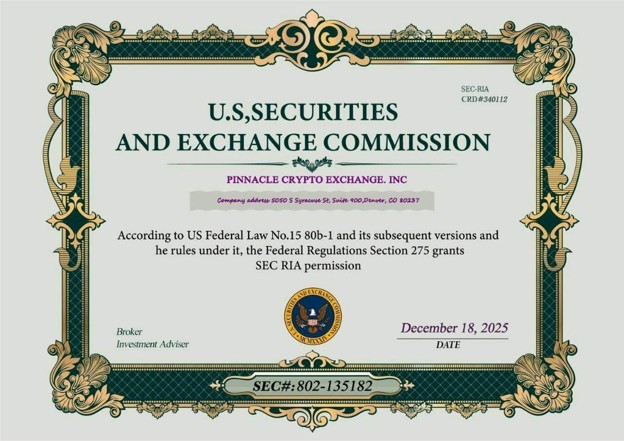
Thirty-eight companies filed a form with the SEC, then sold the filing as proof the SEC had approved them
The Securities and Exchange Commission says the paperwork it never reviews became the evidence of legitimacy, and it has now spelled out in court…
FleetCor agrees to pay $100 million over fuel-card fees its customers could not find on an invoice
The order is not final and the Federal Trade Commission has not said how the money reaches the tens of thousands of small businesses it says were…