Trump Has Promised Every American Adult 5,000 Dollars if Republicans Win in November
His party already controls both chambers, which raises the question of why the payment requires an election result rather than a vote.
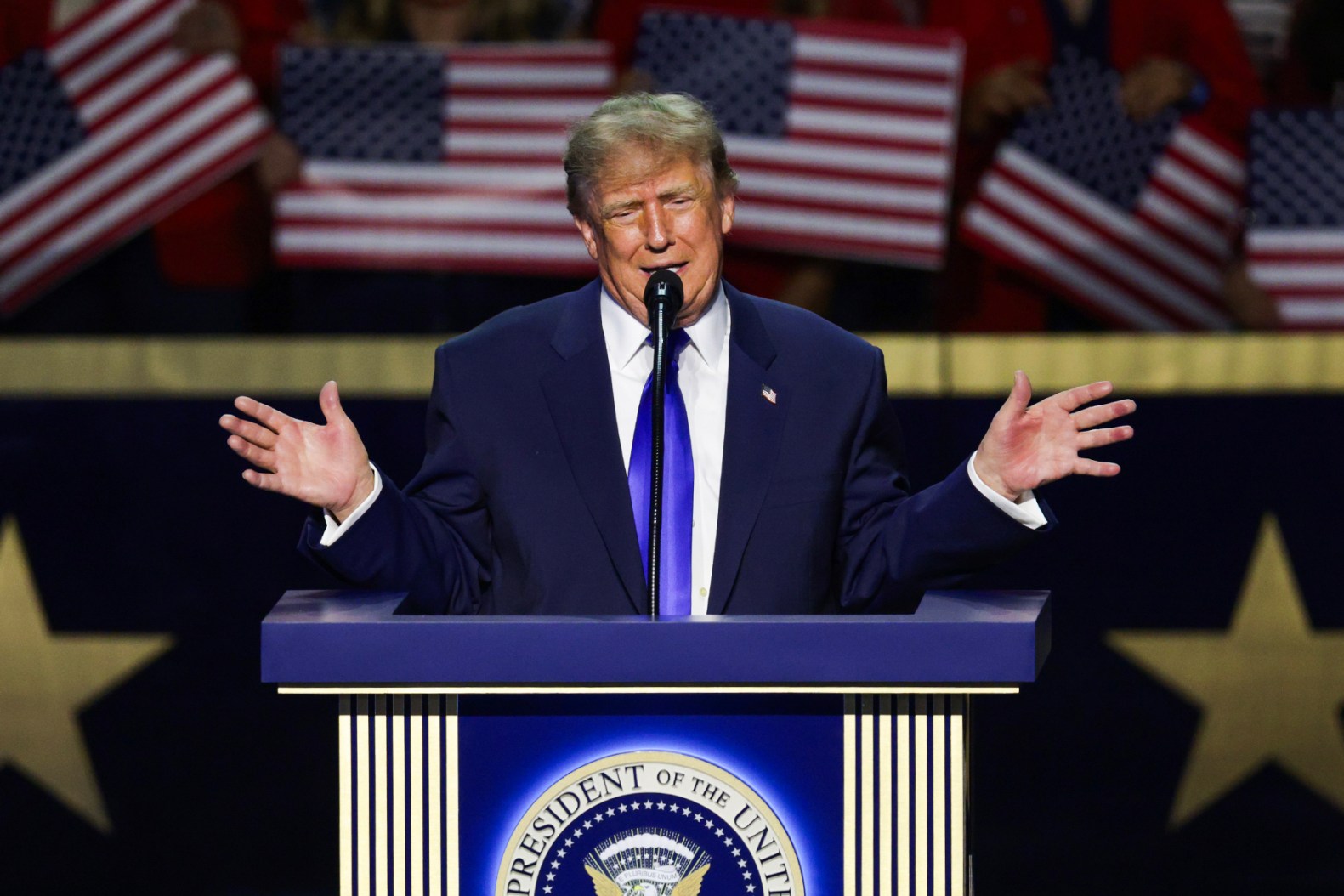
Speaking at the Republican convention in Dallas on Wednesday night, President Trump promised a 5,000 dollar payment to every adult citizen of the United States, on one condition: that Republicans retain control of both the House and the Senate in November.
"We're making a fortune," he said, referring to tariff revenue. "If the Republicans win, you win with us and you get 5,000 dollars. It will be called the Trump dividend. Congratulations."
The problem with the condition
Republicans currently control both chambers.
If the purpose of the payment were to help Americans through the cost-of-living pressure the administration is facing, the legislation could be introduced now, with the existing majorities, and passed before anybody votes.
Attaching it to an election outcome is what turns a fiscal proposal into something else. The offer is not that the government will send money. It is that the government will send money if the electorate returns a particular result.
That structure runs directly into the federal prohibition on paying people to vote a particular way, which is why one Democratic lawmaker responded that Congress would never do it because it is corrupt and blatantly illegal.
If the Republicans win, you win with us and you get 5,000 dollars
The arithmetic
Set the legal question aside and the numbers do not work either.
Sending 5,000 dollars to every American adult would cost well over a trillion dollars. That is many times the total tariff revenue collected to date, and tariffs are themselves a cost passed on to consumers rather than a windfall arriving from abroad.
Vice President JD Vance was asked about the plausibility of the promise in a television interview and did not defend the figure directly.
Tariffs, he said, have generated a lot of revenue and helped pay down debt. What the president is saying, he continued, is that if you keep us in power and allow us to continue doing these things, you will share in some of the benefits.
That is a restatement of the conditionality rather than an answer about the funding, and it is notable that the administration's own second-in-command reframed a specific dollar figure as a general share in future benefits.
Why the promise is being made now
The context explains the reach of the offer.
The president's approval is under water, with an intractable war against Iran and the affordability pressure that has followed it. The party's midterm prospects are poor enough that it staged a first-of-its-kind convention in a midterm year to try to change the trajectory.
There is also a tension the administration has not resolved. Trump has described the affordability crisis as a hoax. The dividend is being offered as relief from it.
Both positions cannot be held at once, and offering a trillion-dollar payment to address a problem you have said does not exist is the clearest available evidence of which one is sincere.
The pattern this joins
The dividend is not the first direct payment announced from a podium.
The president has previously floated 2,000 dollar payments funded by tariffs, and returning 20 per cent of the savings generated by the Department of Government Efficiency, which has since closed. Neither arrived.
Separately, the administration announced this week that nearly a million Americans will receive 500 dollar refunds on health insurance premiums, a far smaller programme reaching roughly five per cent of people enrolled in Affordable Care Act plans.
That last one may actually be paid, because it is small enough to be plausible and does not require anybody to win an election first.
The 5,000 dollar version requires congressional approval, more than a trillion dollars, and a result in November. It is a campaign promise wearing the clothing of a fiscal policy.
More from Politics
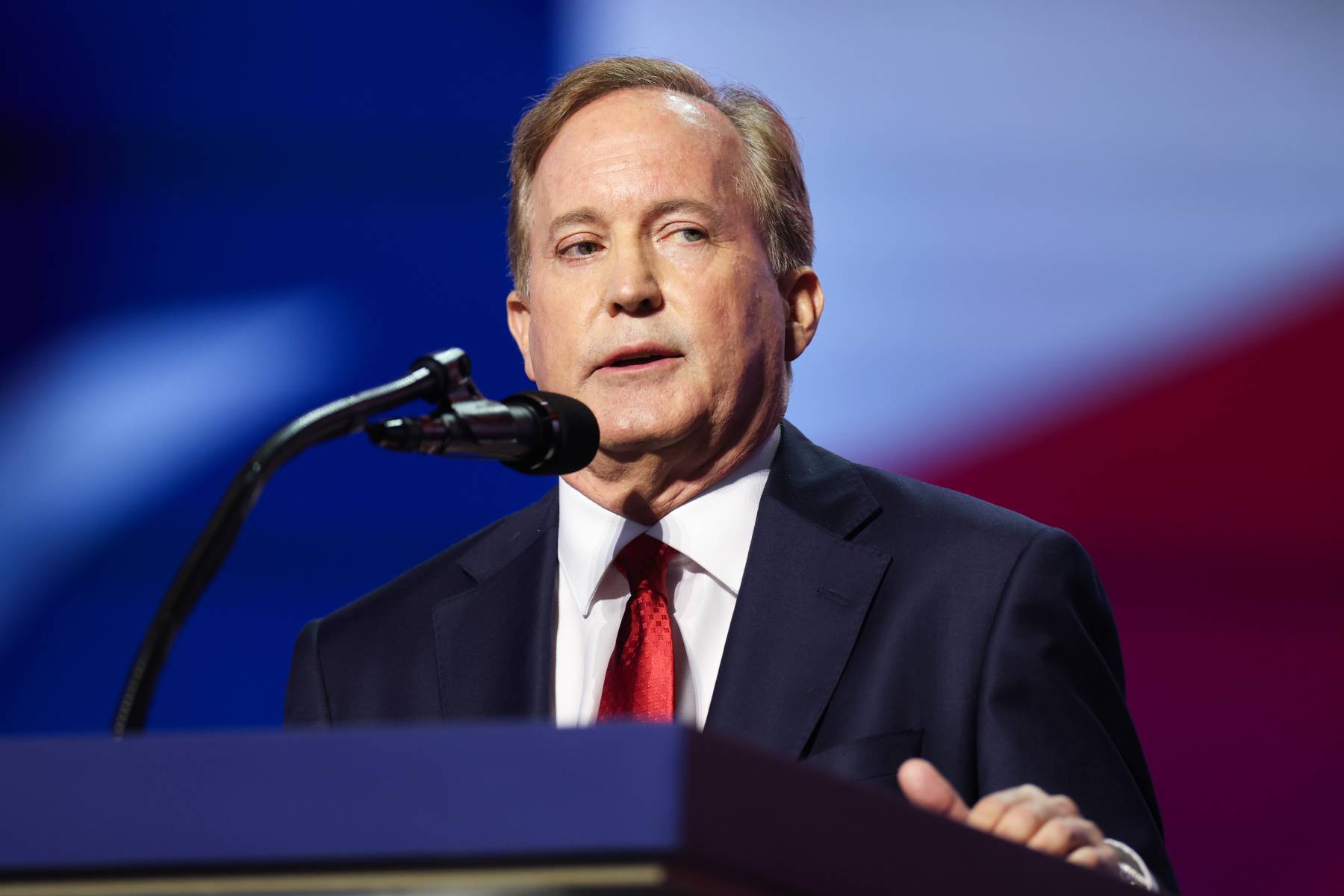
Trump's Senate Pick in Texas Got Five Minutes at Five O'Clock in His Own State
Ken Paxton is trailing in the polls, and the convention his party staged in Dallas gave him a slot most delegates were still in traffic for.
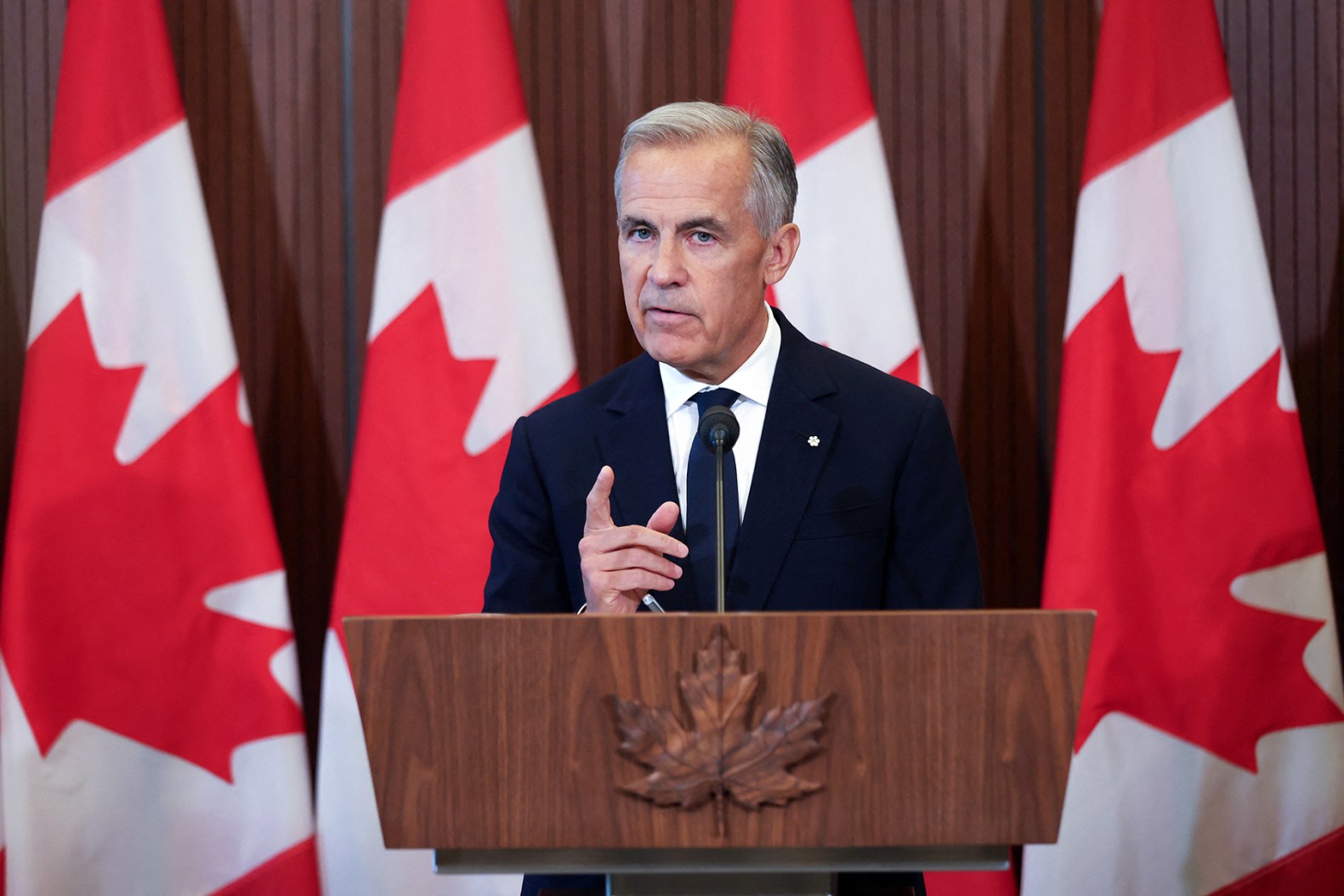
Trump Threatens to End Trade With Canada Altogether, and Ottawa Declines the Fight
Donald Trump has floated cutting off commerce with America's largest trading partner entirely, and the Canadian government's answer has been to…
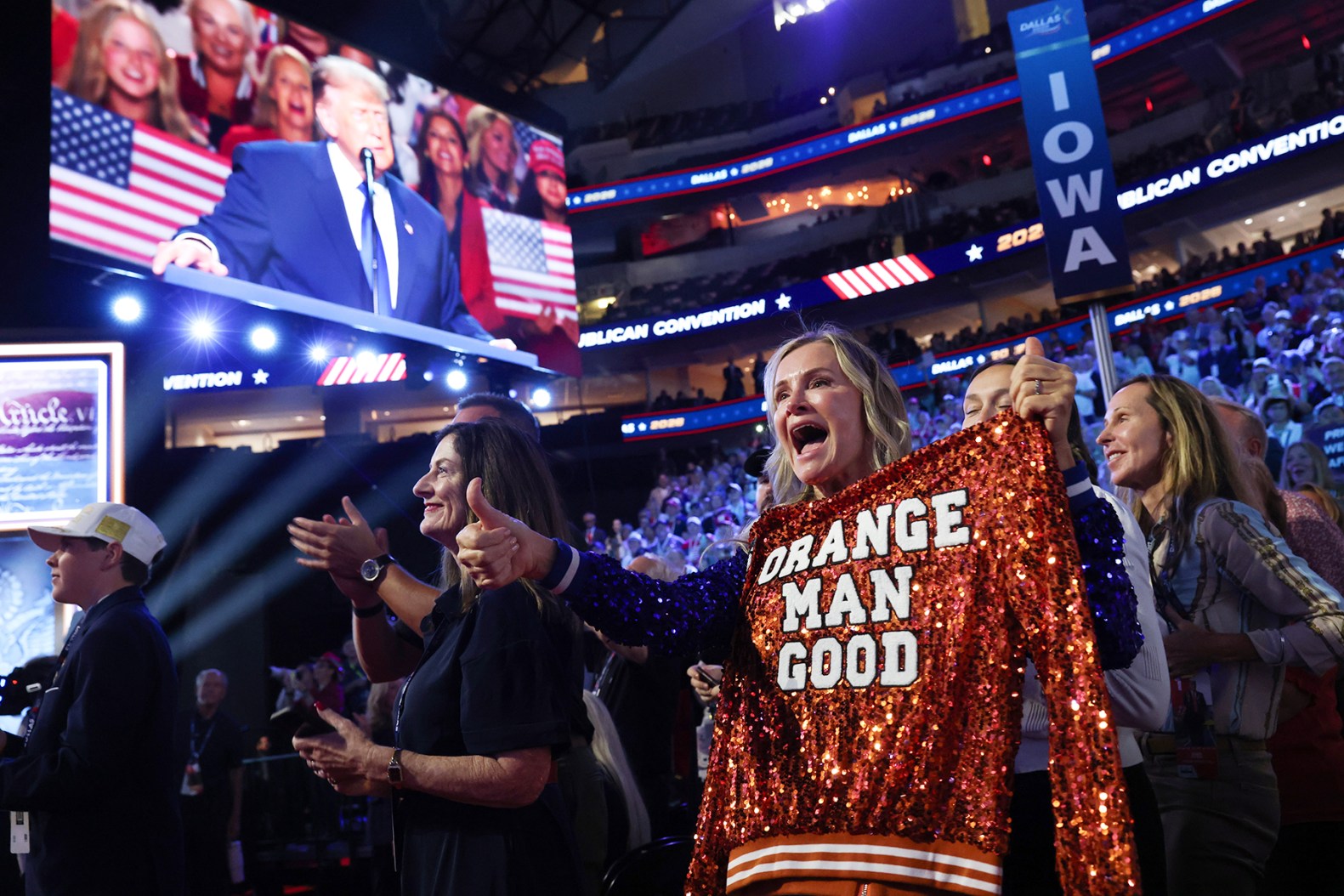
The Republicans Held a Convention With Nobody to Nominate, and Half the Arena Was Empty
Donald Trump told the party's first midterm-year convention to imagine his name was on the ballot in November, and several of the candidates who need…