Trump's Senate Pick in Texas Got Five Minutes at Five O'Clock in His Own State
Ken Paxton is trailing in the polls, and the convention his party staged in Dallas gave him a slot most delegates were still in traffic for.
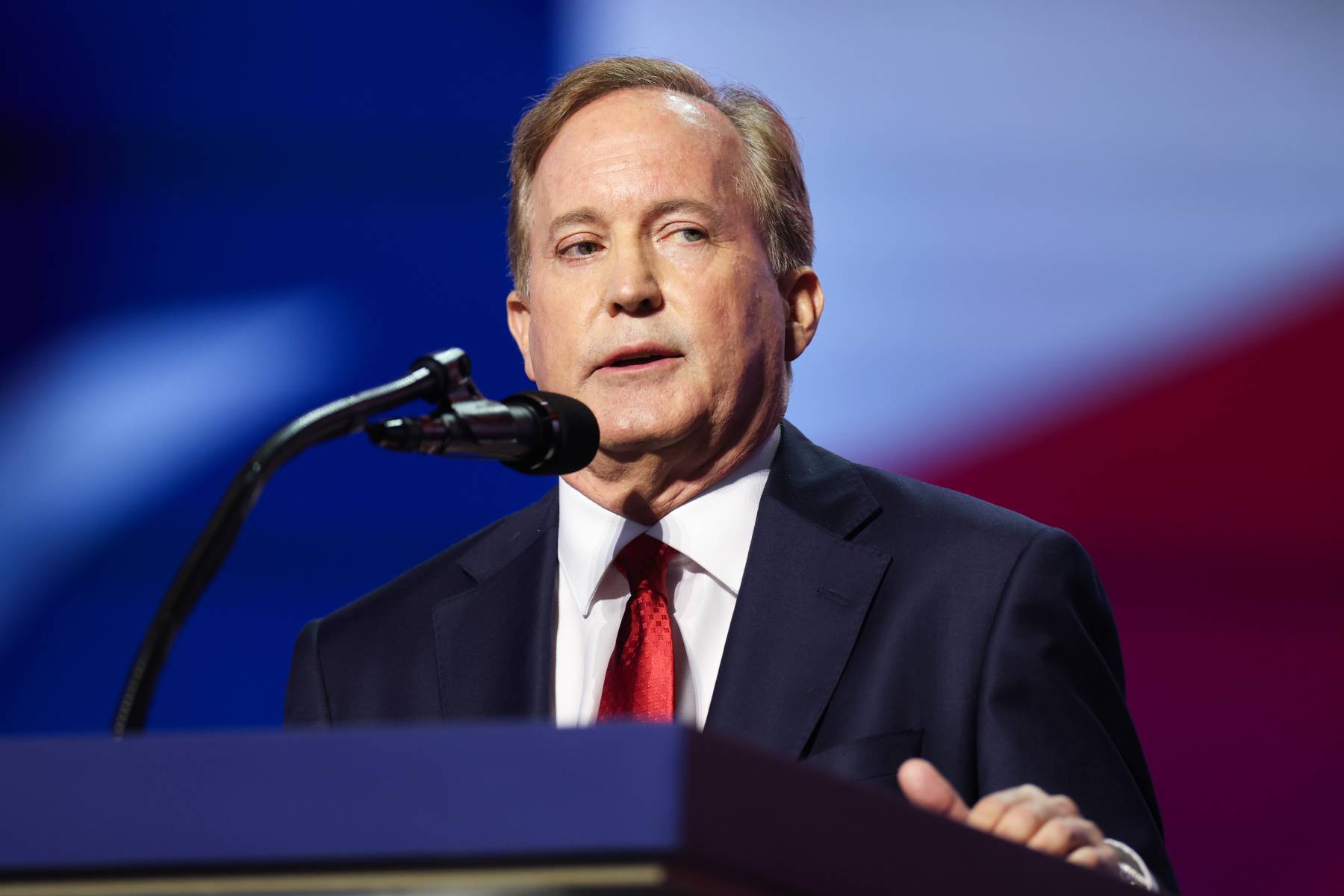
Ken Paxton is the Texas attorney general and the Republican nominee for the Senate, in what is arguably the most consequential race of the cycle. He is also, on current polling, behind his Democratic opponent James Talarico.
At the Republican midterm convention in Dallas this week, staged partly to underline how important Texas has become to the party, Paxton spoke during the five o'clock hour on the first day of programming. He was given five minutes.
That is not a prime-time slot. It is the hour when most of the people he needs to vote for him are still in midweek traffic and nowhere near a television, in the state where he is running.
What five minutes bought
The speech was largely about somebody who is not on the ballot.
"The press, the courts, and the establishment all tried to take President Trump down, but he's won every single time," Paxton said, adding that Trump had delivered more for the country than anyone before him.
The arena was about two-thirds full. The applause lines drew applause of a fairly perfunctory kind.
He is a democratic socialist who never met a tax increase he didn't love
The attacks on Talarico
The rest went at his opponent, in terms that have become standard in Paxton's sporadic appearances on the stump.
"He is a democratic socialist who never met a tax increase he didn't love," Paxton said.
He then ran a line built around the word transition, accusing Talarico of wanting to transition children, and to transition Texas off oil and gas, before suggesting the state transition Talarico out of it.
That is a construction designed for a clip rather than a room, which may be the more telling detail. In a five-minute slot to a two-thirds-empty arena, the material was written for the internet.
A decade of not campaigning
The performance reflects a career that has not previously required one.
Paxton has moved through four election cycles as attorney general largely without hard campaigning, carried by the Texas assumption that being the Republican on the ballot is ordinarily sufficient to win statewide office without much fuss.
That assumption has held for a long time and is now being tested. A Senate race against a well-funded opponent, in a cycle where the party is expected to lose ground nationally, is not an office that arrives by default.
The difficulty is that the skills are not interchangeable. Winning a primary in a state where the general election is a formality rewards visibility within the party and very little else. Winning a contested Senate seat requires persuading people who are not already persuaded, at scale, over months, and the only way to get good at that is to have done it before.
Delegates in Dallas were not pretending otherwise. One attendee, asked about the race, described himself as cautiously optimistic and then said of Paxton that some people are better at messaging than others, that he has baggage, and that he needs to be more inspiring if he is going to go the distance. That is the assessment of a supporter.
What the scheduling says
Conventions are built by people making judgments about who helps and who does not, and the schedule is the most honest document a party produces.
Trump spoke for more than 90 minutes, against a planned 45. The Senate nominee in the host state got five minutes before dinner.
Elsewhere in the same week, Republicans in competitive races including Senator Susan Collins of Maine and Senator Dan Sullivan of Alaska did not attend at all.
Read together, those two facts describe the same calculation from opposite ends. Some candidates decided proximity to the president was a liability. In Paxton's case, the convention appears to have decided something about him.
He remains the nominee, he remains behind, and he has now had his moment on the party's own stage. It lasted five minutes.
More from Politics
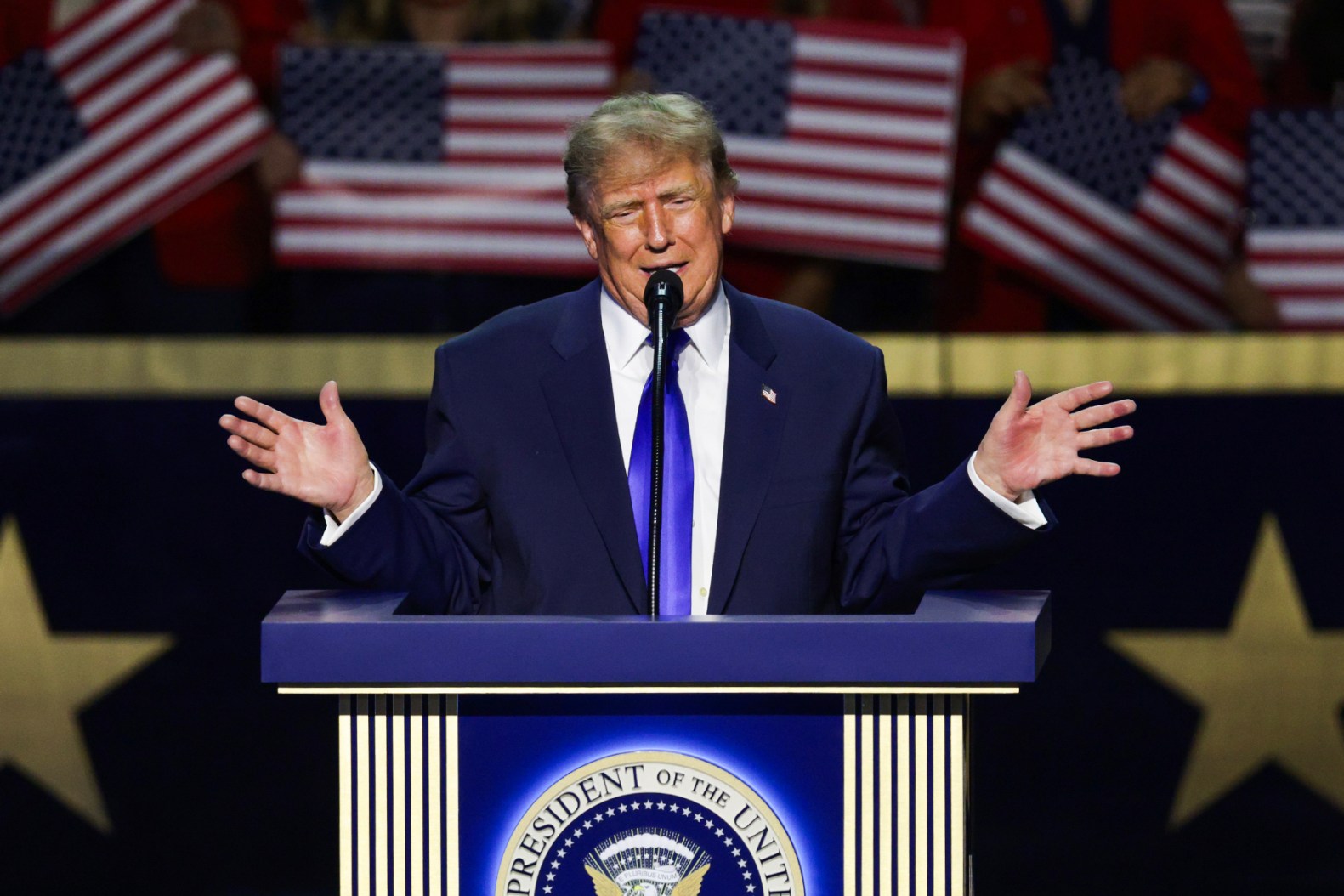
Trump Has Promised Every American Adult 5,000 Dollars if Republicans Win in November
His party already controls both chambers, which raises the question of why the payment requires an election result rather than a vote.
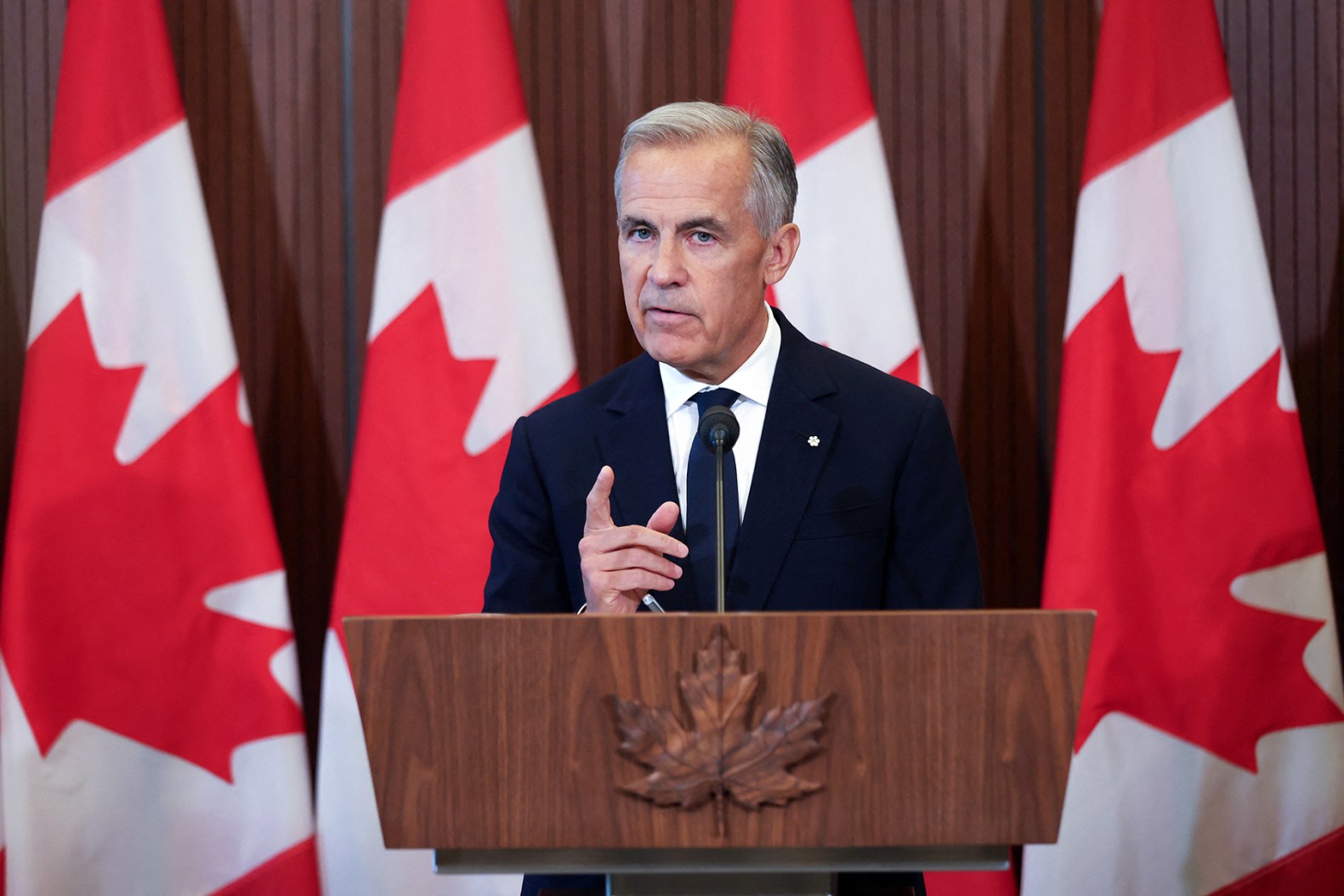
Trump Threatens to End Trade With Canada Altogether, and Ottawa Declines the Fight
Donald Trump has floated cutting off commerce with America's largest trading partner entirely, and the Canadian government's answer has been to…
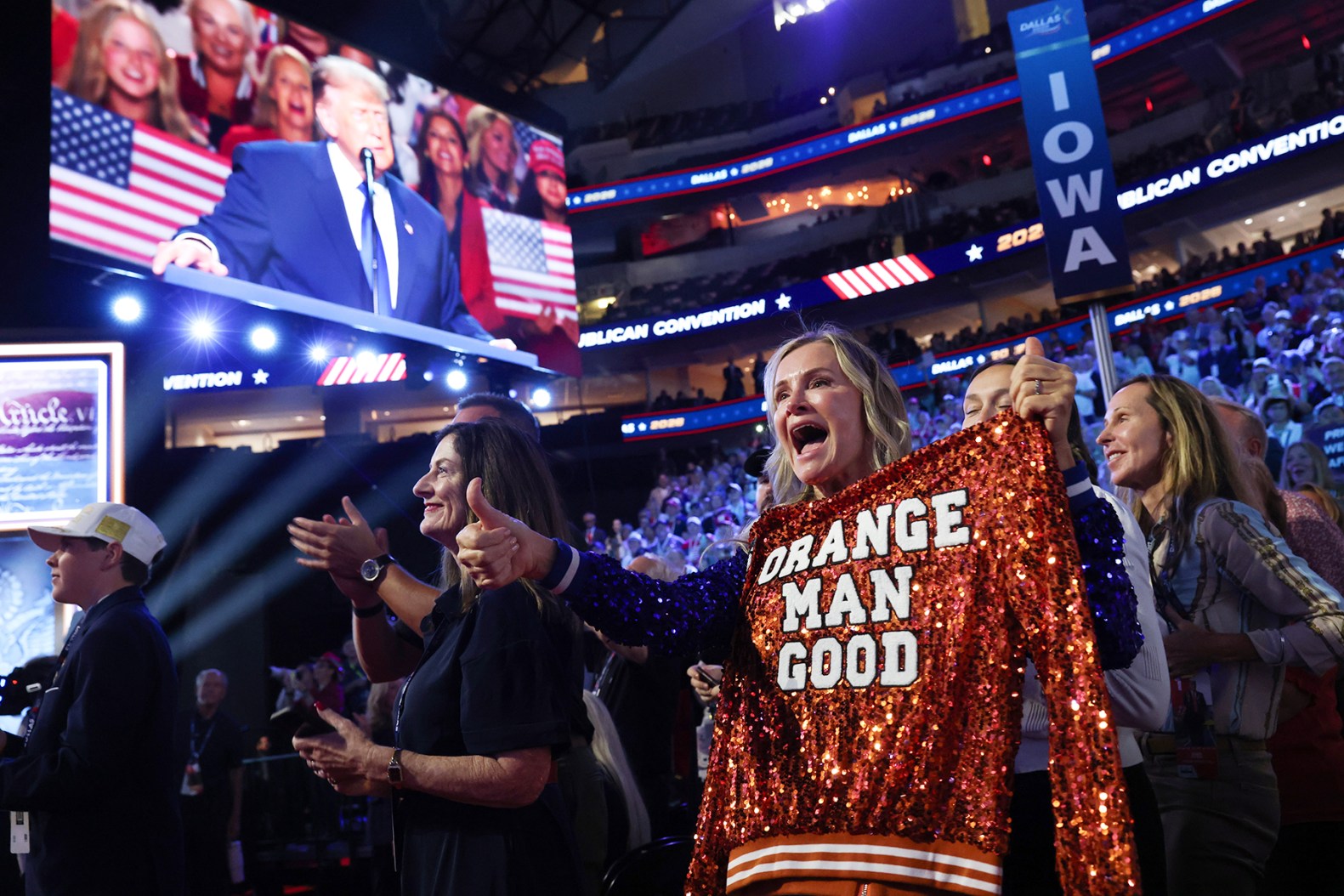
The Republicans Held a Convention With Nobody to Nominate, and Half the Arena Was Empty
Donald Trump told the party's first midterm-year convention to imagine his name was on the ballot in November, and several of the candidates who need…