Trump Threatens to End Trade With Canada Altogether, and Ottawa Declines the Fight
Donald Trump has floated cutting off commerce with America's largest trading partner entirely, and the Canadian government's answer has been to refuse the terms on which the argument was offered.
Over the Labor Day weekend, in the Oval Office, President Trump set out a position that went well past tariffs. "All we have to do to cut our trade deficit with a country is not trade with them," he said. He named Europe, Mexico and Switzerland in the same breath, raising the prospect of unwinding trillions of dollars in commerce at once.
Canada drew the sharpest version of it. "If we don't do any trading with Canada, if we just end all trade with Canada, we'd save ourselves 90 billion dollars," Trump said. "Canada would be in a heap of trouble. I don't think they'd exist. Because, again, they do 95 percent of their business with us."
The 95 percent figure is the President's own, and he did not say what it measured. The 90 billion dollars is likewise his own arithmetic, presented without a method. Neither number was accompanied by an explanation of how ending trade with a neighbour saves money rather than costing it.
"Just watch," he said the following week, promising to punish Canada further.
The dispute did not start here
The current standoff runs back to last year, when the administration imposed tariffs on Canadian goods in breach of the free trade agreement then in force, justifying them at the time with claims about fentanyl crossing the northern border. The tariffs stayed. The justification shifted. What has been constant is the trade deficit, invoked as the grievance, recalculated as required.
The asymmetry is real and both capitals understand it. The American economy is more than a dozen times the size of Canada's. A full rupture that would register in the United States as a bad quarter would register in Canada as a national emergency, concentrated in the industries that sit closest to the border: automotive assembly, agriculture, fishing, energy.
That asymmetry is precisely why the threat is being made. It is also why it has not worked.
The threat assumes a government that will bargain. Ottawa has declined to behave like one
AFP via Getty Images
Refusing to trade insults
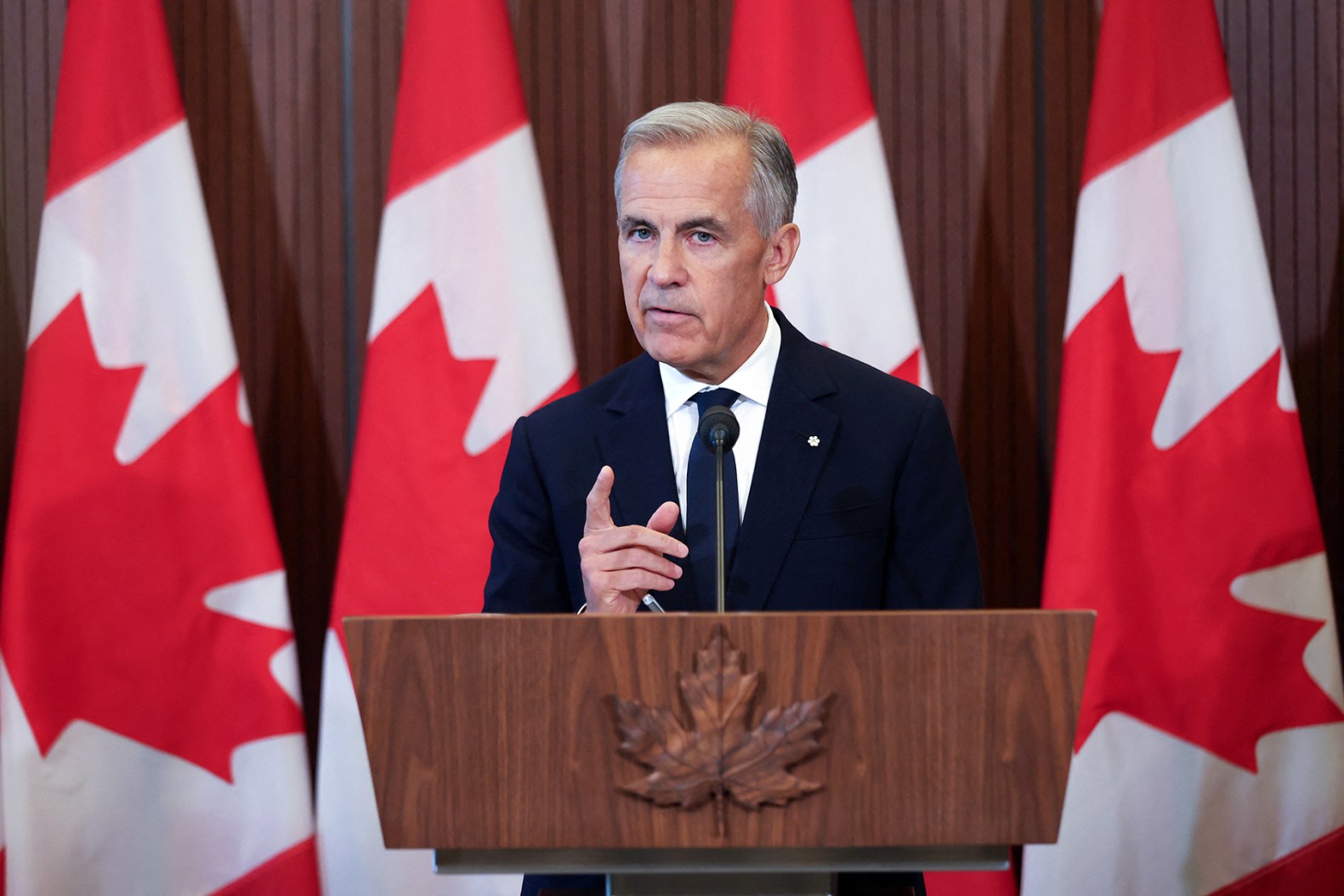
Prime Minister Mark Carney has not matched the rhetoric, and the decision looks deliberate. There has been no equivalent press conference, no counter-meme, no promise to make Americans suffer. A former central banker who ran both the Bank of Canada and the Bank of England, Carney has spent the dispute talking about the bond market rather than about the President.
It is a narrow and unglamorous form of leverage, and it is the only kind available to the smaller party. A country that cannot win an escalation can still decline to participate in one, and can let the cost of the other side's position accumulate in public view. Markets price threats of this kind whether or not they are carried out, and they price them on both sides of a border.
The President's supporting material has not helped his case. Alongside the Oval Office remarks he posted an image showing American colours across the whole of North America, and over Greenland and Iceland as well. It is difficult to read that as a negotiating position. It is easier to read it as the point being made for its own sake.
What is actually at stake
Strip away the performance and the substance is narrow and serious. Two economies are more deeply integrated than almost any other pair on earth, joined by supply chains that were built over decades on the assumption that the border was a formality. Those chains do not have a reverse gear. An auto part crosses the frontier several times before it becomes a car, and each crossing was designed around a treaty that one signatory now treats as optional.
The damage from that uncertainty does not require the threat to be executed. It is already priced in, already showing up in deferred investment decisions, and already changing how governments beyond Canada read an American commitment.
Trump has said the quiet part for the record: he does not regard trade as a bargain between two parties, but as tribute owed to the larger one. Ottawa's response has been to say very little, and to wait for the arithmetic to speak. So far that has been the more effective argument.
More from Politics
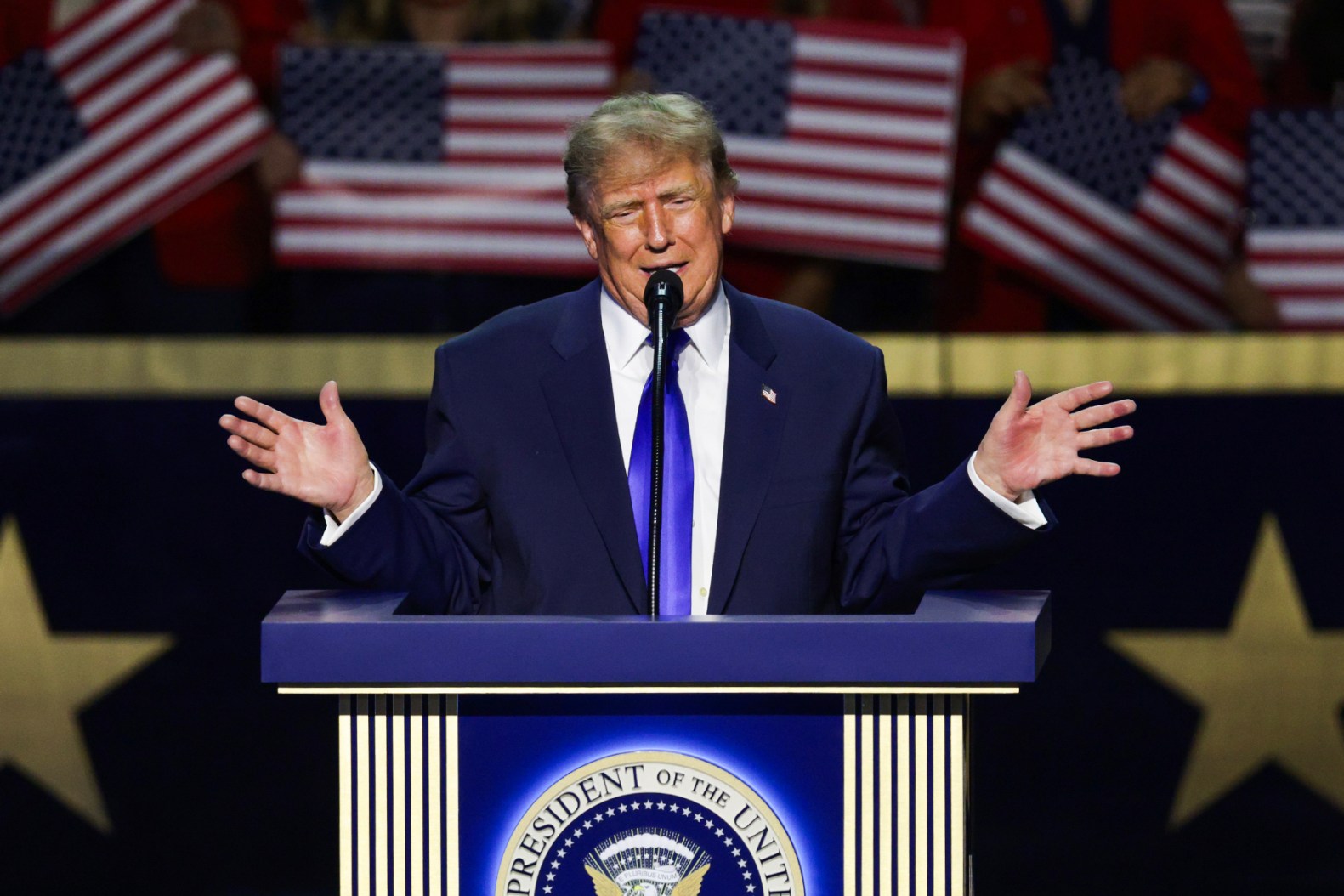
Trump Has Promised Every American Adult 5,000 Dollars if Republicans Win in November
His party already controls both chambers, which raises the question of why the payment requires an election result rather than a vote.
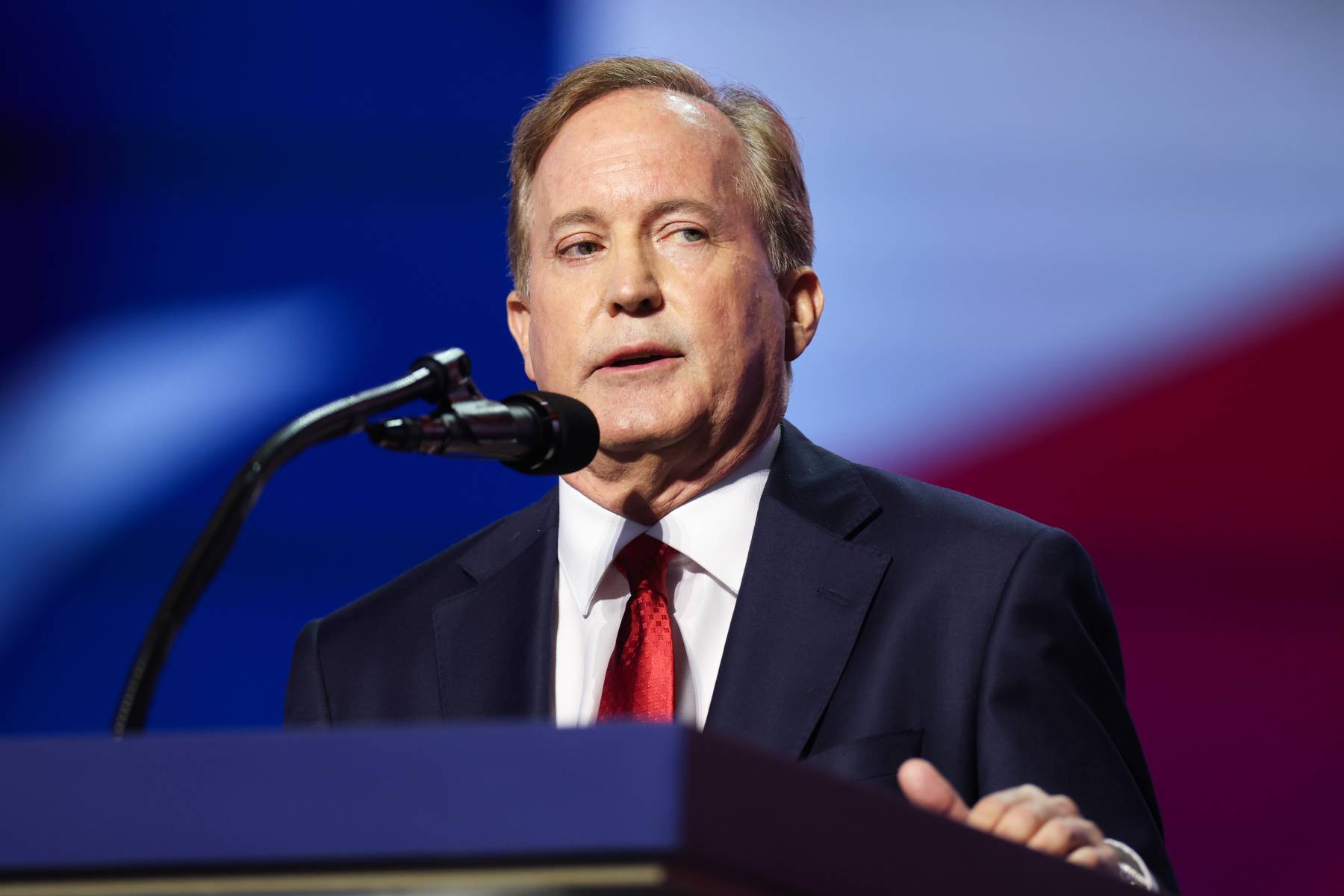
Trump's Senate Pick in Texas Got Five Minutes at Five O'Clock in His Own State
Ken Paxton is trailing in the polls, and the convention his party staged in Dallas gave him a slot most delegates were still in traffic for.
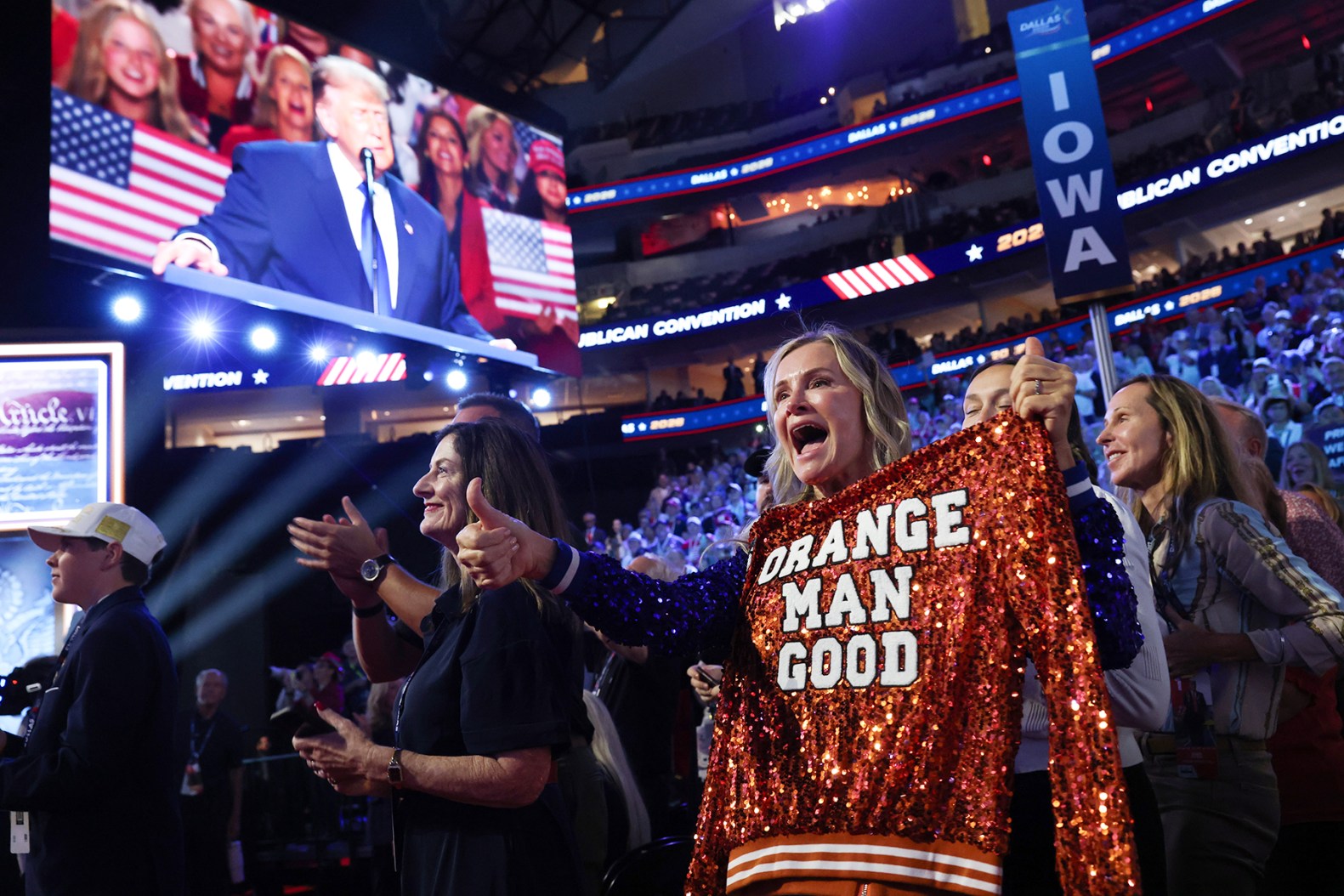
The Republicans Held a Convention With Nobody to Nominate, and Half the Arena Was Empty
Donald Trump told the party's first midterm-year convention to imagine his name was on the ballot in November, and several of the candidates who need…