Coinbase's Chief Executive Says Crypto Rules Are Coming Whether the Senate Votes for Them or Not
A procedural vote on the CLARITY Act falls on September 15, and Brian Armstrong argues the regulators are ready to move either way.
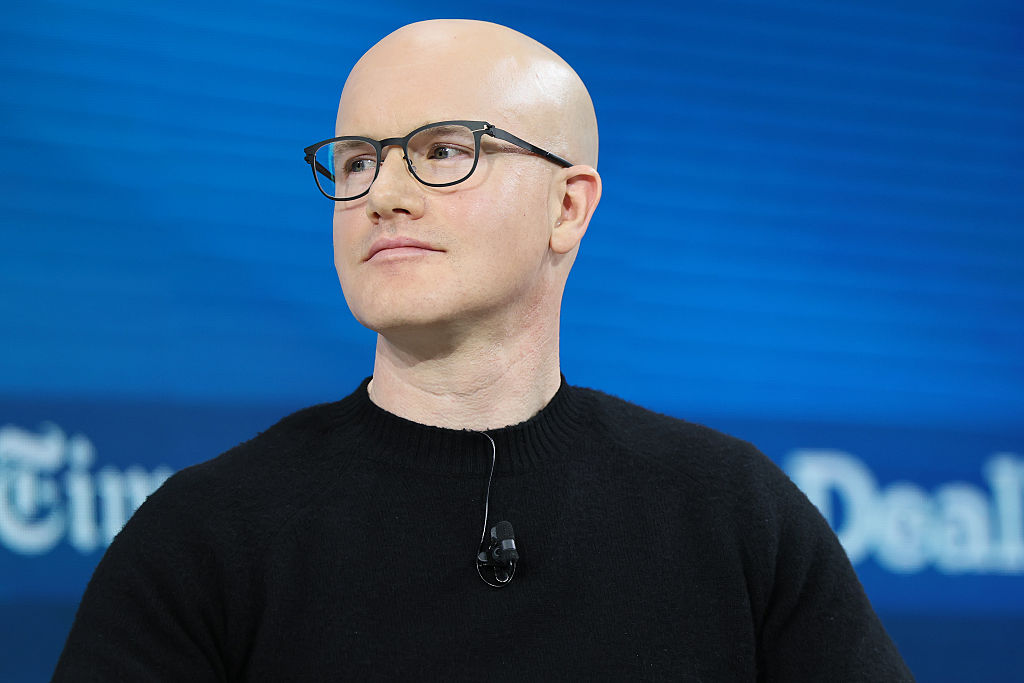
Brian Armstrong, chief executive of Coinbase, says the American crypto industry is heading towards clearer federal rules regardless of what the Senate does, because the Securities and Exchange Commission and the Commodity Futures Trading Commission are already most of the way there.
"Frankly, if it doesn't pass, it's also going to be a good outcome because the SEC and the CFTC have said that they're ready to publish rulemaking," Armstrong said, "and we're going to get regulatory clarity one way or another on the 15th or the day or two after."
What the bill would do
The Digital Asset Market CLARITY Act would establish a federal market structure for digital assets and settle the long-running question of which of the two regulators is responsible for what.
It has already travelled a considerable distance. The House passed it in July 2025. The Senate Banking Committee advanced it in May by 15 votes to 9. In July, Senator Cynthia Lummis of Wyoming released an updated version combining work from the Banking and Agriculture committees.
The Senate holds a key procedural vote on September 15.
We're going to get regulatory clarity one way or another
What is still unresolved
Getting to 60 votes on the floor is the hurdle, and the obstacles are not really about crypto market structure.
Senator Ruben Gallego of Arizona has said agreement is needed on ethics provisions, alongside other outstanding items including stablecoin yield and measures aimed at illicit finance.
Armstrong said negotiations over the ethics provisions were continuing but appeared very close to a solution. He described passage as a regulatory checkbox that could open the way for greater institutional participation, and for products including tokenised equities in the United States. It would, he said, be a big milestone.
The regulators did not wait
The reason Armstrong can be relaxed about a failed vote is that a good deal of the work has already happened administratively.
In March the SEC issued an interpretation setting out how federal securities law applies to several categories of crypto asset and transaction, with the CFTC publishing accompanying guidance on the Commodity Exchange Act. Between them they addressed digital commodities, collectibles, stablecoins and other assets, and covered activities including staking, airdrops and protocol mining. The interpretation also went at the central question of when a crypto asset falls under an investment contract.
In August the SEC followed with a proposal for Regulation Crypto Assets, creating a tailored offering framework for certain investment contracts involving crypto assets, with exemptions for some offerings and a conditional safe harbour defining when an asset would stop being subject to an investment contract.
Notably, the SEC does not share Armstrong's equanimity. Chairman Paul Atkins said when the proposal was published that legislation from Congress remains necessary for durable rules, and that the commission continues to support the CLARITY Act.
That is the regulator arguing its own rulemaking is not a sufficient substitute for a statute, which is the more conservative and probably more accurate reading.
Why Coinbase wants it settled
The company's interest is not abstract, and its business has been moving beyond the thing it is known for.
Armstrong says roughly half of Coinbase's revenue now comes from trading. The rest sits in stablecoins and institutional custody, and the company has been adding traditional financial products under what it calls an Everything Exchange strategy.
It launched stock perpetual futures for eligible customers outside the United States in March, and has since expanded its international derivatives and equities offerings. The pattern is clear enough: the products are being built abroad first, because the domestic rules do not yet exist to support them.
A statute would let that business come home. Rulemaking alone, as the SEC chairman has pointed out, can be rewritten by the next commission.
More from Politics
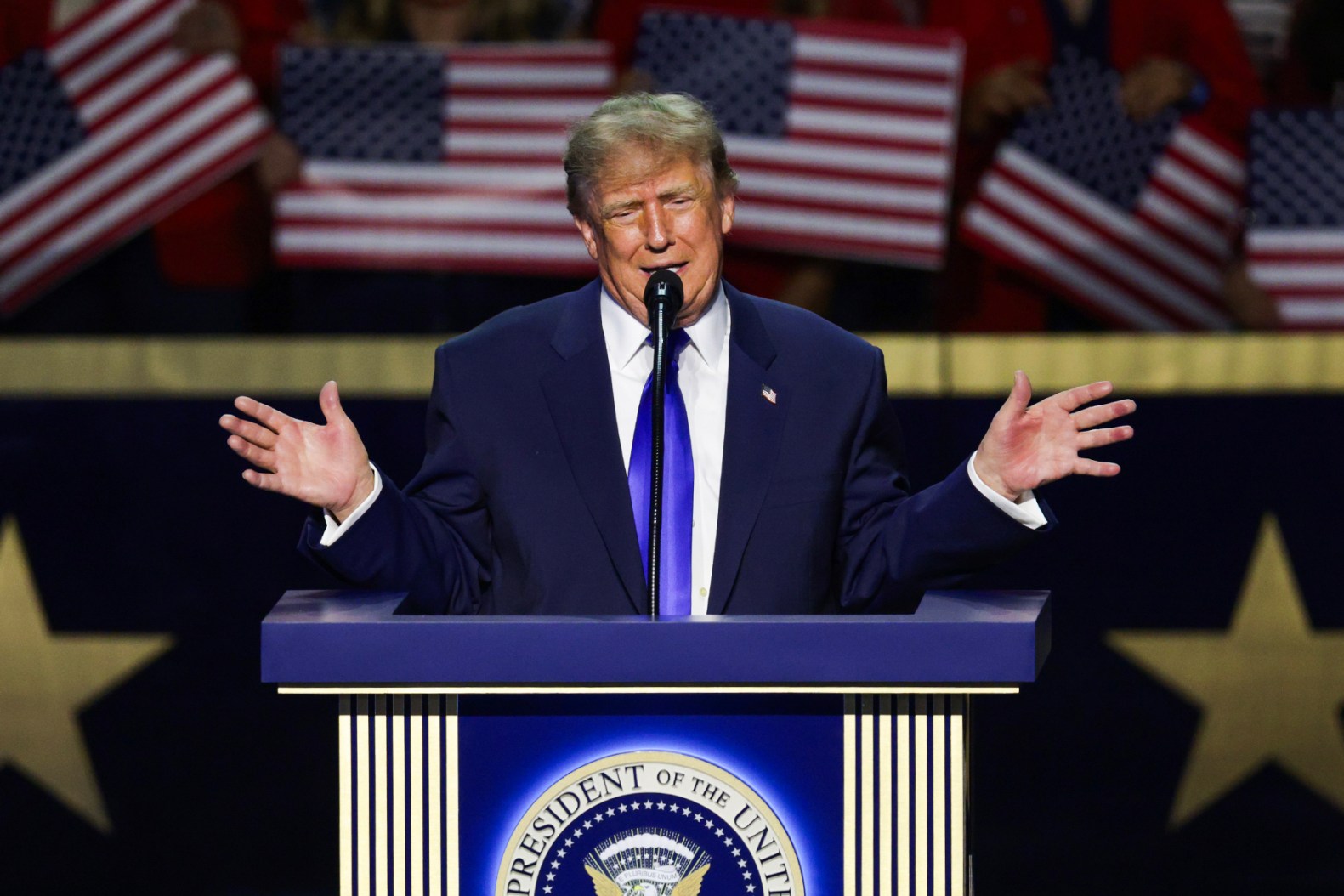
Trump Has Promised Every American Adult 5,000 Dollars if Republicans Win in November
His party already controls both chambers, which raises the question of why the payment requires an election result rather than a vote.
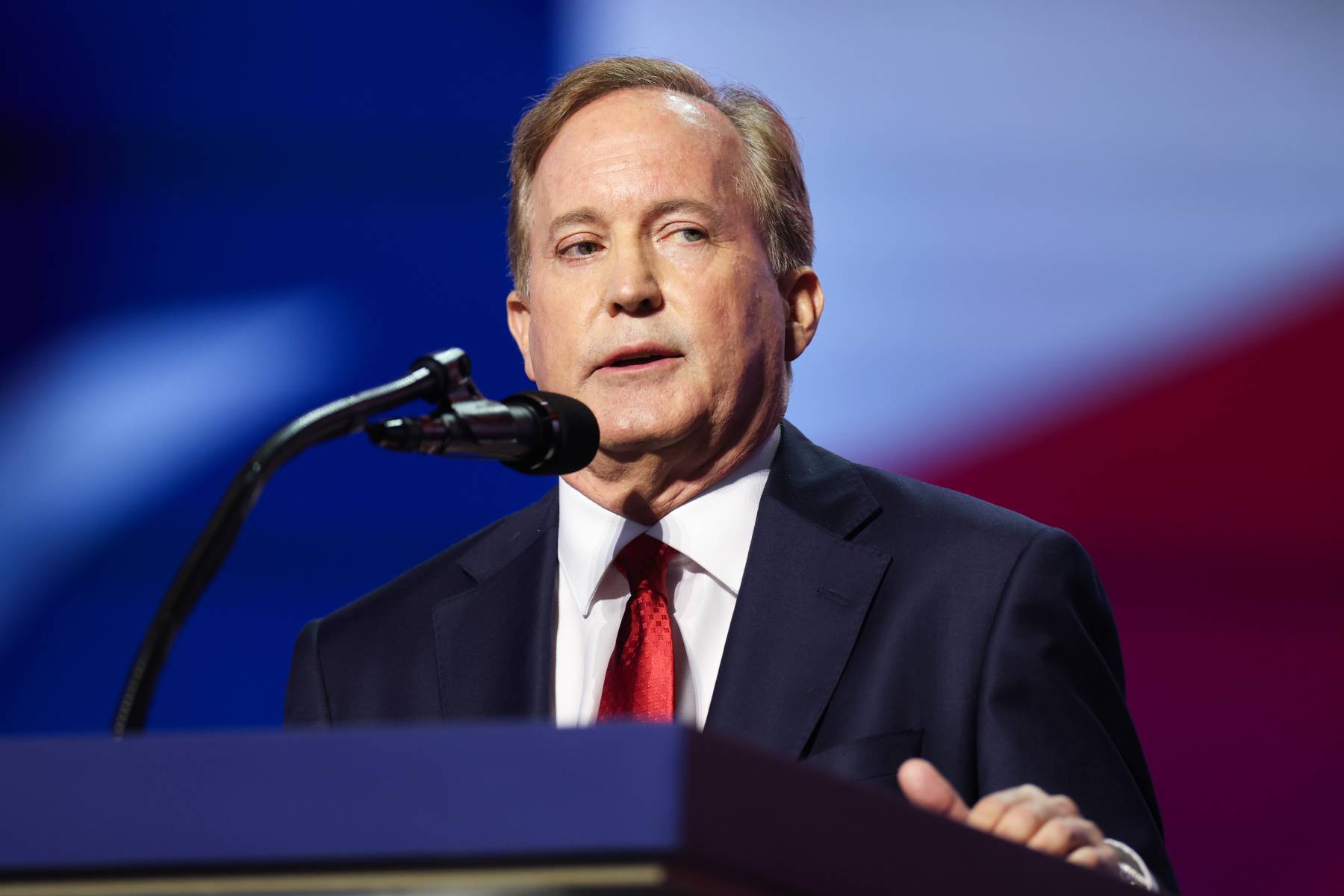
Trump's Senate Pick in Texas Got Five Minutes at Five O'Clock in His Own State
Ken Paxton is trailing in the polls, and the convention his party staged in Dallas gave him a slot most delegates were still in traffic for.
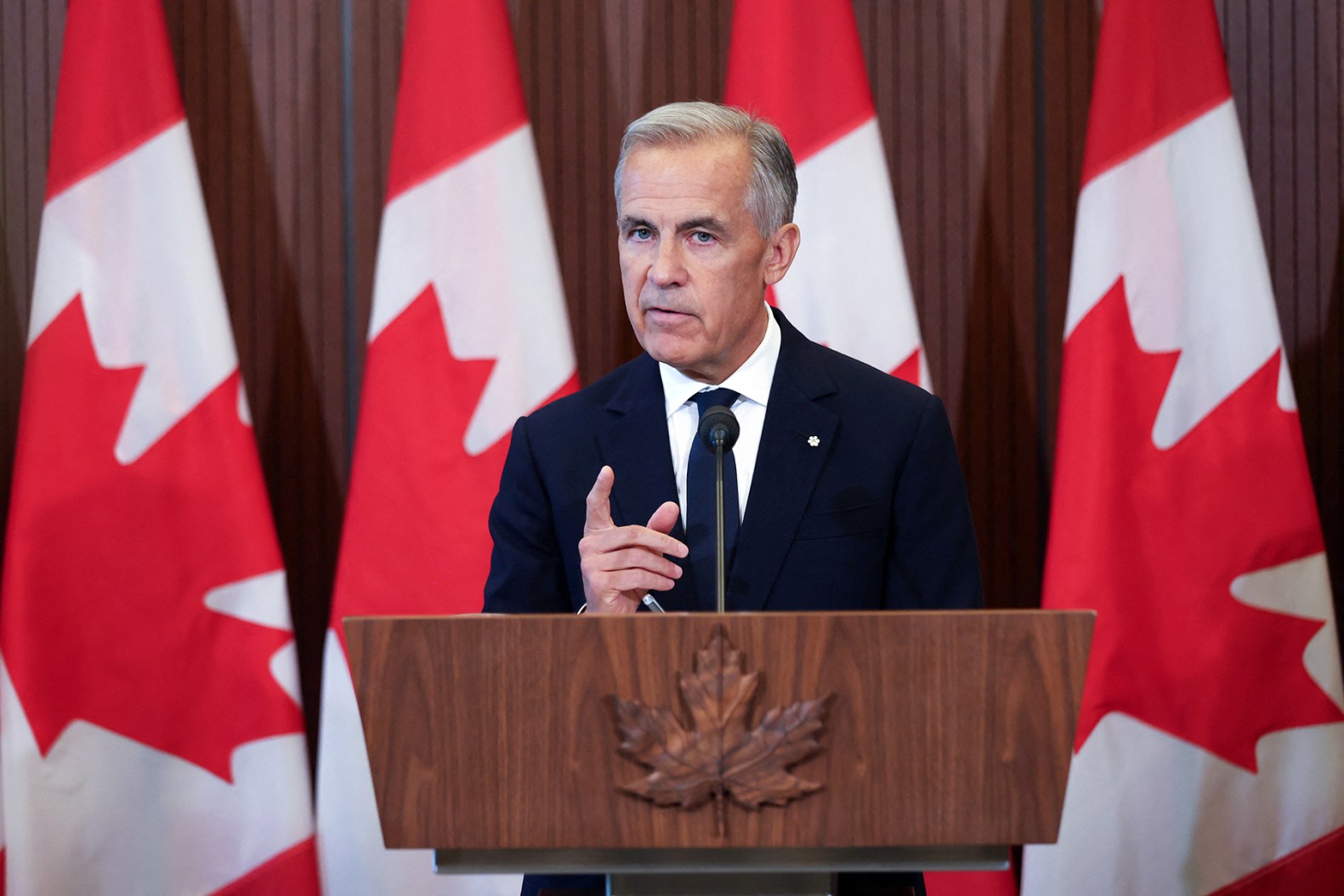
Trump Threatens to End Trade With Canada Altogether, and Ottawa Declines the Fight
Donald Trump has floated cutting off commerce with America's largest trading partner entirely, and the Canadian government's answer has been to…