The Army Stopped Collective Training Above Company Level to Save 30 Million Pounds
The order came through last month as an in-year saving, and it has sharpened a dispute inside government about whether defence or welfare takes precedence.
Senior officers were told last month to halt all collective training above company level. The reason given was that the Ministry of Defence required urgent in-year savings of 30 million pounds.
The practical consequence is that thousands of soldiers currently have very little to do. For an army whose readiness is the entire argument for its budget, suspending the training that produces that readiness in order to find a sum of that size is an awkward position to be in.
The sentence that started the row
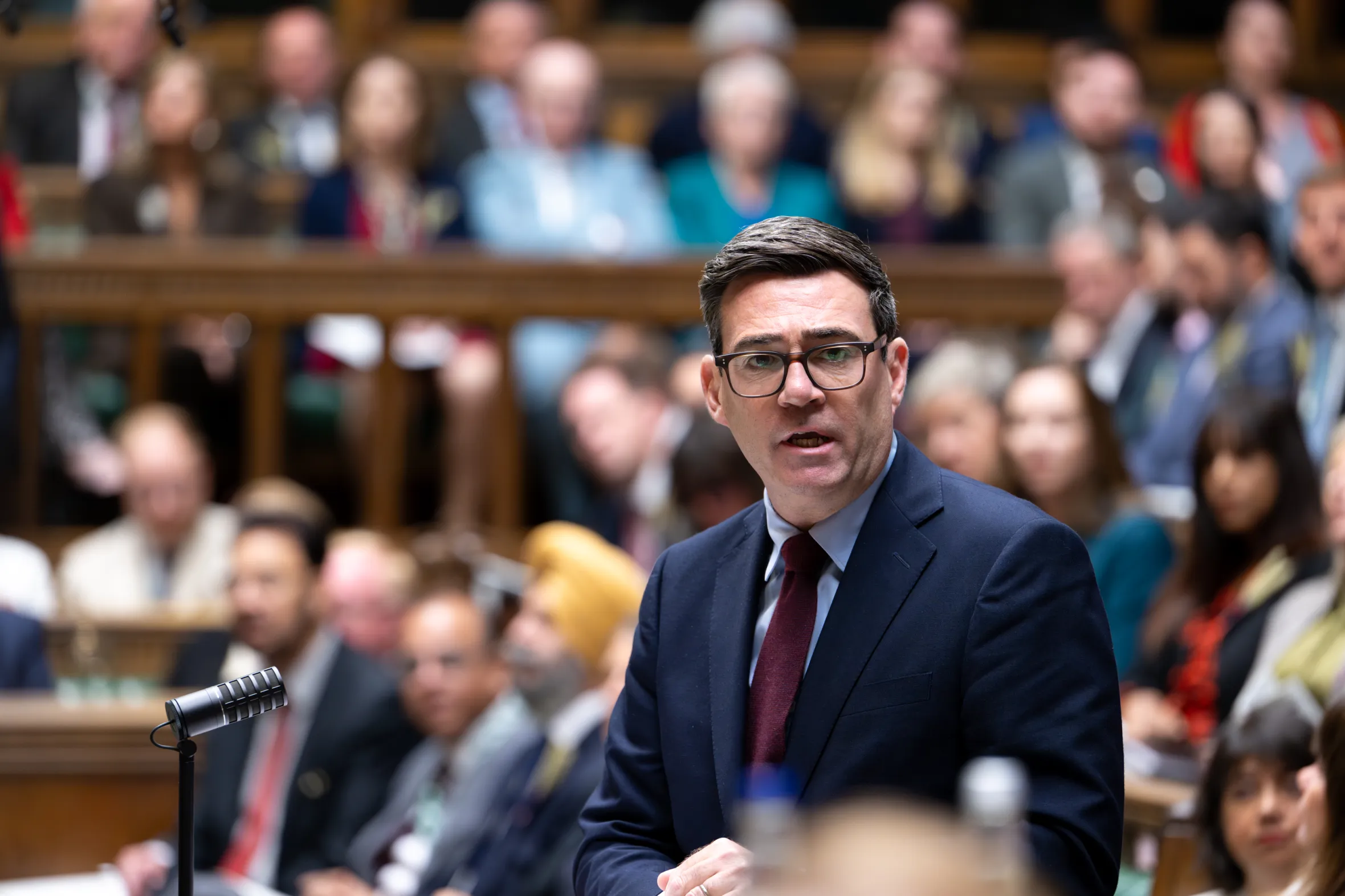
The question of priority was then put beyond doubt, briefly, in the Commons this week.
Andy Burnham was blunt about the trade-off. "Yes, we do everything to support our national security, but it can't come at the expense of social security," he said.
He insisted afterwards that this had been misinterpreted. Critics have taken it as a statement of the government's actual operating principle, which is that welfare spending will not be reduced to fund defence.
It can't come at the expense of social security
How the increase kept slipping
The commitment itself is not in dispute. Sir Keir Starmer promised to raise defence spending to meet the threat Russia poses to NATO, following what his party characterised as years of neglect under the Conservatives.
The rise was then postponed twice. First by a defence review, and then by the defence investment plan that came out of it.
The delay bought time for a chancellor, Rachel Reeves, constrained by debt and by her own fiscal rules, who balked at finding the money.
It could not hold indefinitely. The plan published in June was considered so inadequate by the defence secretary, John Healey, that he resigned over it.
The numbers in the resignation letter
Healey's letter set out the arithmetic, and it is the clearest statement of the gap anyone in government has made.
The additional money assembled by Downing Street would raise the defence budget to 2.68 per cent of GDP by 2030. The minimum he judged necessary was 3 per cent.
The reason for that date is not arbitrary. Intelligence assessments suggest Russia could attack NATO as early as 2030. On Healey's account, the sum on offer would leave the country exposed at precisely the point the risk is judged to peak.
The part that has puzzled his former colleagues
Healey is now chancellor.
The urgency that prompted his resignation has not visibly travelled with him. Despite the assessment of Russian intent continuing to harden, he is content to defer a further increase until another review next year.
That shift is the sharpest criticism now being made of the government's position: that the objection was sincere in opposition to a spending plan and became negotiable on taking charge of one.
Where the money would have to come from
The structural problem is not really about defence at all.
Welfare accounts for roughly a quarter of public spending and is projected to pass 400 billion pounds in 2030. On current plans, defence will be about a fifth of that figure.
Burnham has ruled out cutting housing benefit, a route the Conservatives have raised. He has committed to reducing the working-age health-related benefits bill only gradually, through persuasion rather than restriction, and has not been willing to end the state pension triple lock.
Savings are available elsewhere, and critics point to items such as the 4.5 billion pounds spent on encouraging walking and cycling. But sums of that scale do not close a gap measured against a 400 billion pound welfare budget.
Which leaves the government holding two positions that cannot both be fully honoured: a defence commitment that requires more money by 2030, and a welfare commitment that declines to release it.
For now, the visible result of that tension is an army that has been told to stop training.
More from Politics
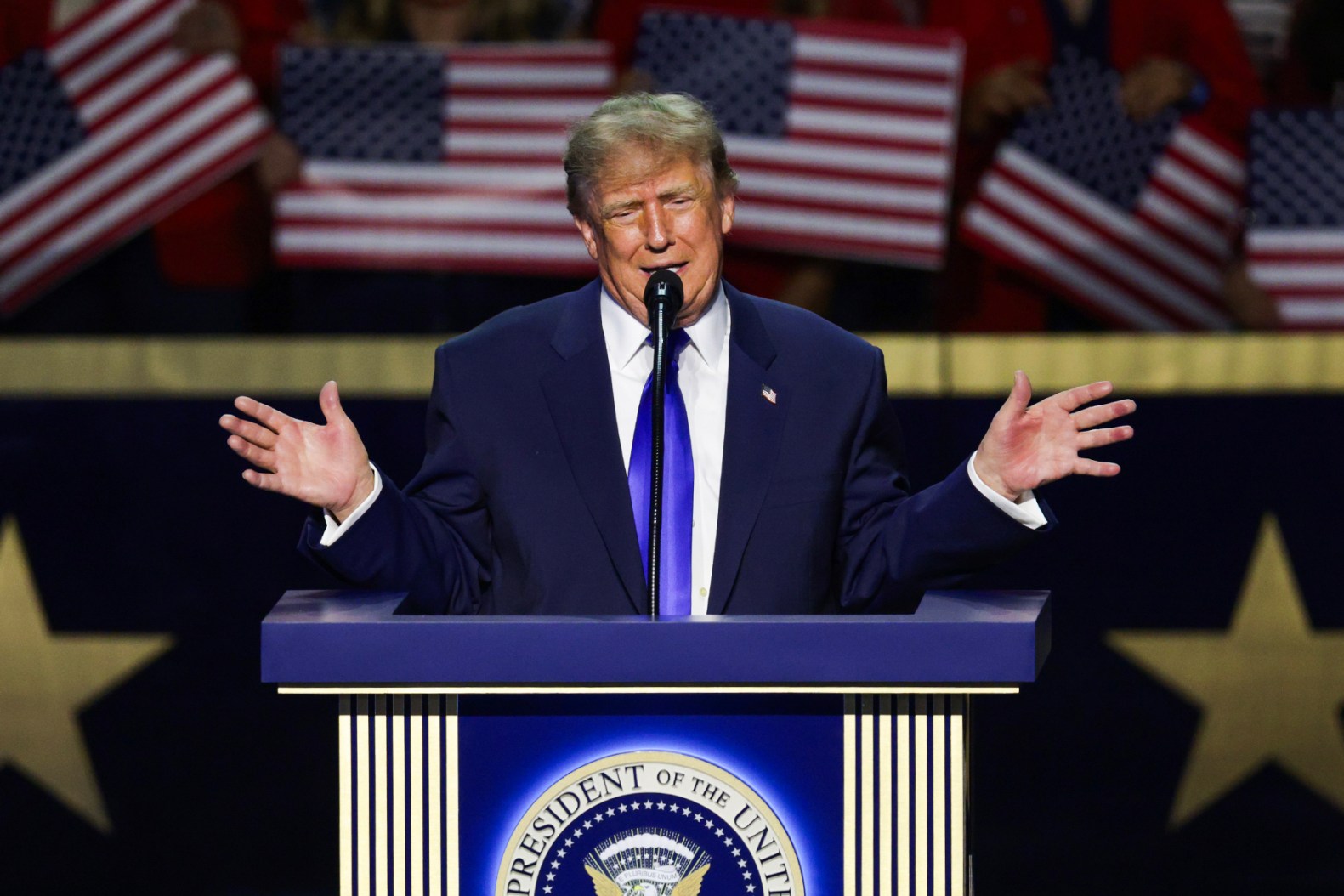
Trump Has Promised Every American Adult 5,000 Dollars if Republicans Win in November
His party already controls both chambers, which raises the question of why the payment requires an election result rather than a vote.
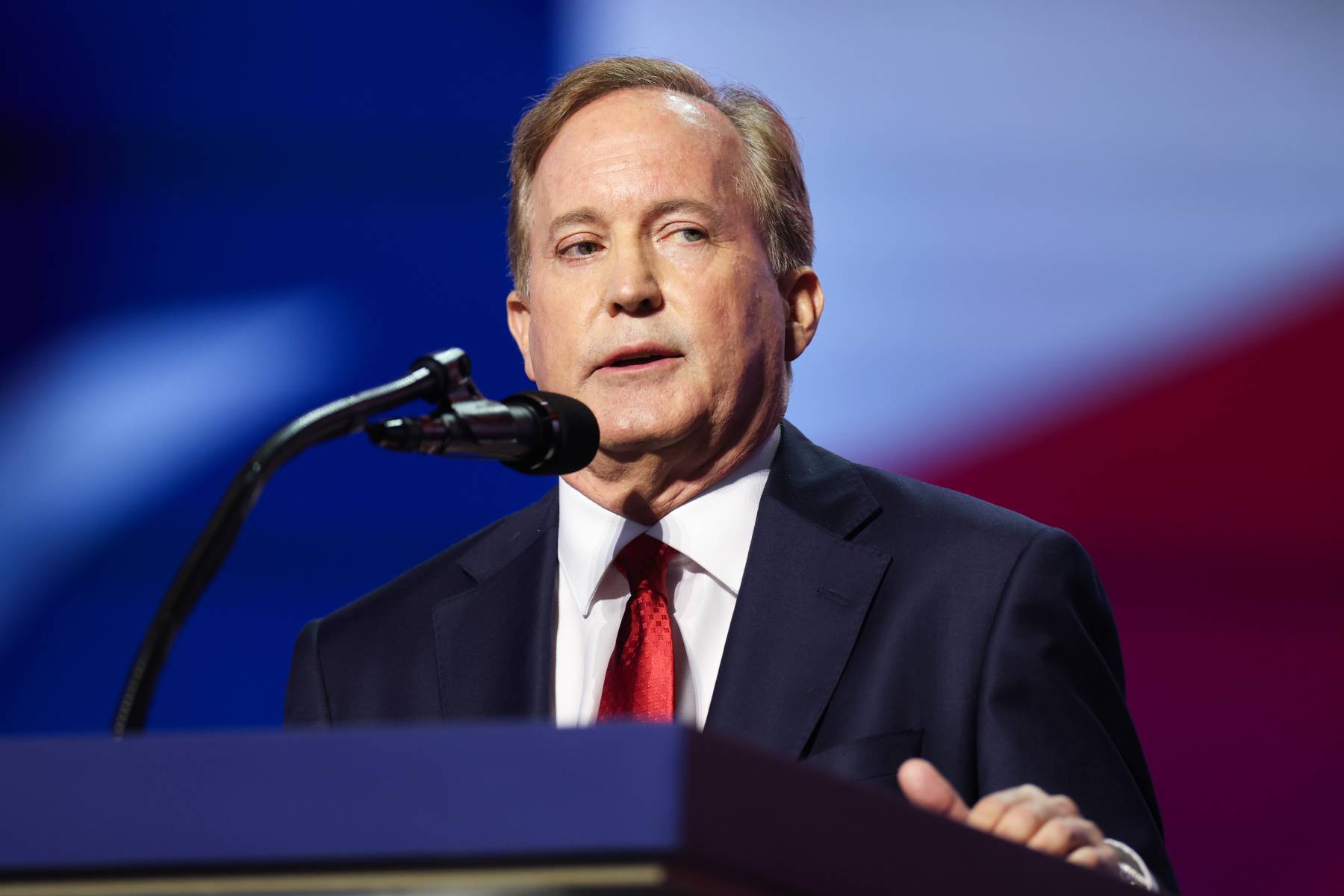
Trump's Senate Pick in Texas Got Five Minutes at Five O'Clock in His Own State
Ken Paxton is trailing in the polls, and the convention his party staged in Dallas gave him a slot most delegates were still in traffic for.
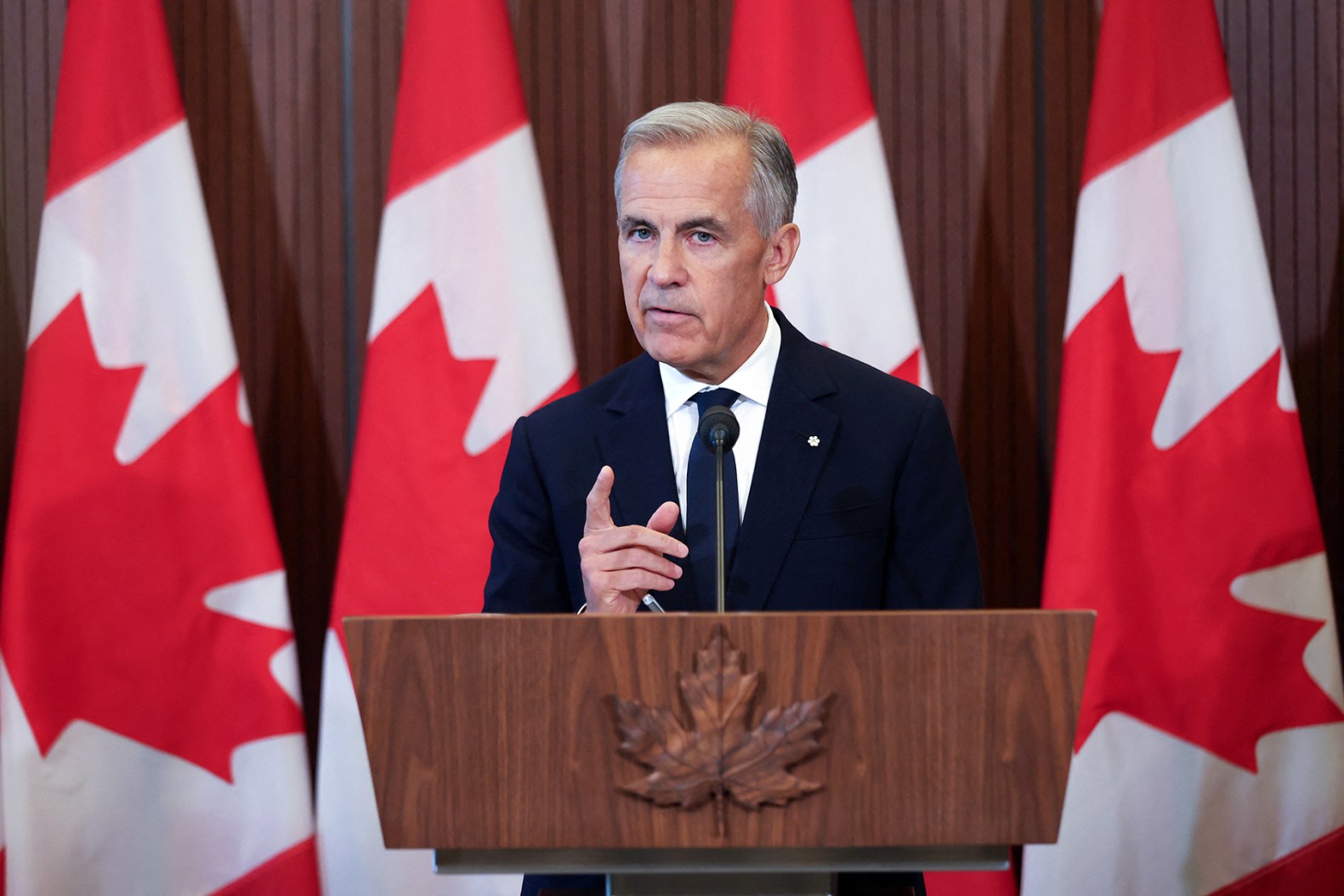
Trump Threatens to End Trade With Canada Altogether, and Ottawa Declines the Fight
Donald Trump has floated cutting off commerce with America's largest trading partner entirely, and the Canadian government's answer has been to…